




Product description
Maturity and Quality
'Bartlett' pears attain best eating quality if picked at the mature-green stage and ripened off the tree since they become mealy if ripened on the tree.
California ‘Bartlett' pear maturity standards utilize a combined flesh firmness/soluble solids content (SSC) index that is further modified by fruit size and skin color (if yellowish green, no firmness or SSC limits).
| Minimum SSC | Maximum Flesh Firmness (Pounds-Force)1 | |
| Fruit Diameter 2 3/8" - 2 ½" | Fruit Diameter >2 ½" | |
| <10% | 19.0 | 20.0 |
| 10% | 20.0 | 21.0 |
| 11% | 20.5 | 21.5 |
| 12% | 21.0 | 22.0 |
| 13% | [No Maximum] | [No Maximum] |
1 Penetration force with 8 mm (5/16 inch) tip.
- Fruit shape, size, and freedom from insect damage, mechanical injuries (impact, compression, and/or vibration bruising), decay, and other defects
- Sweet taste, pleasant aroma, and juicy, buttery texture are desired eating characteristics of ripe pears (flesh firmness range between 2 and 4 pounds-force)
Postharvest Handling and Storage
-1 to 0°C (30 to 32°F)
90 to 95%
| Temperature | 0°C (32°F) | 2°C (36°F) | 5°C (41°F) | 20°C (68°F) |
| ml CO2/kg·hr | 2-3 | 4-5 | 6-8 | 15-35 |
To calculate heat production multiply ml CO2/kg·hr by 440 to get Btu/ton/day or by 122 to get kcal/metric ton/day.
| Temperature | -1 to 0°C (30 to 32°F) | 5°C (41°F) | 10°C (50°F) | 20°C (68°F) |
| µl C2H4/kg·hr | 0.1-0.5 | 2-4 | 5-15 | 20-100 |
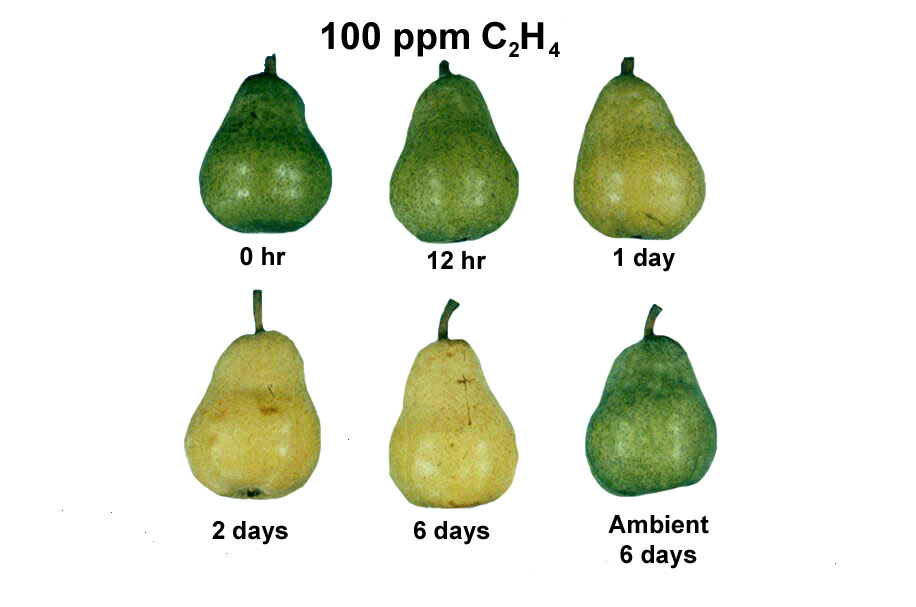
Mature-green ‘Bartlett' pears can be treated with ethylene at harvest [100 ppm ethylene for 24 to 48 hours at 20 to 25°C (68 to 77°F)] to ensure uniform ripening within 4 to 6 days once fruit are warmed for ripening. The "at harvest" treatment is often referred to as "conditioning". Fruit which has been cold stored for 3 weeks will ripen uniformly without ethylene conditioning. These pears can also be ripened in the presence of ethylene gas (100 ppm ethylene) at 18 to 22°C (64 to 72°F).
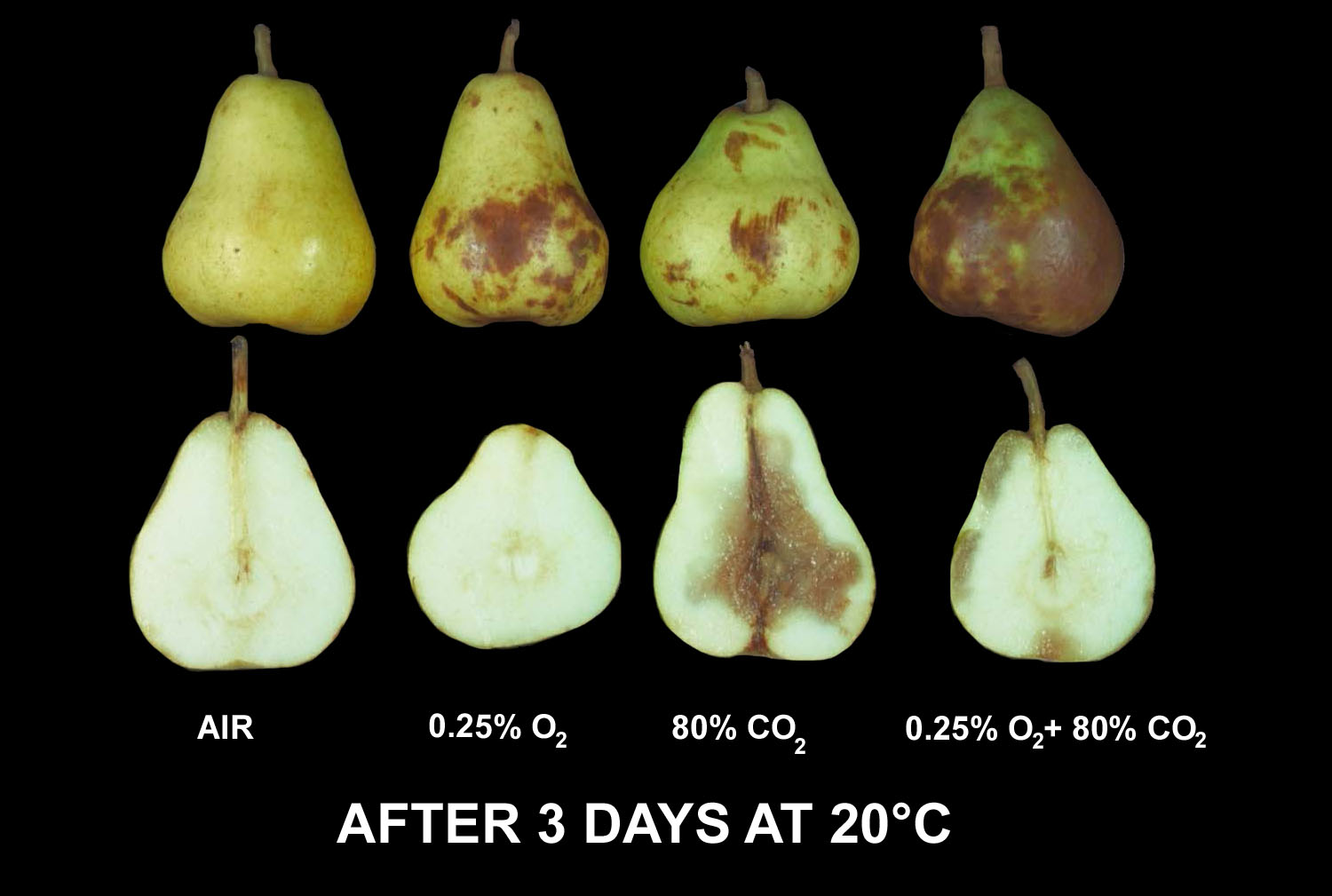
Optimum CA 1 to 3% O2 + 0 to 3% CO2; for California-grown ‘Bartlett' pears, 1.5 to 2% O2 + 1 to 5% CO2 are recommended for long-term storage of early- and mid- season harvested fruits. For late-season pears, CO2 should be kept below 1% because of the fruit's greater sensitivity to CO2 injury (core and flesh browning).
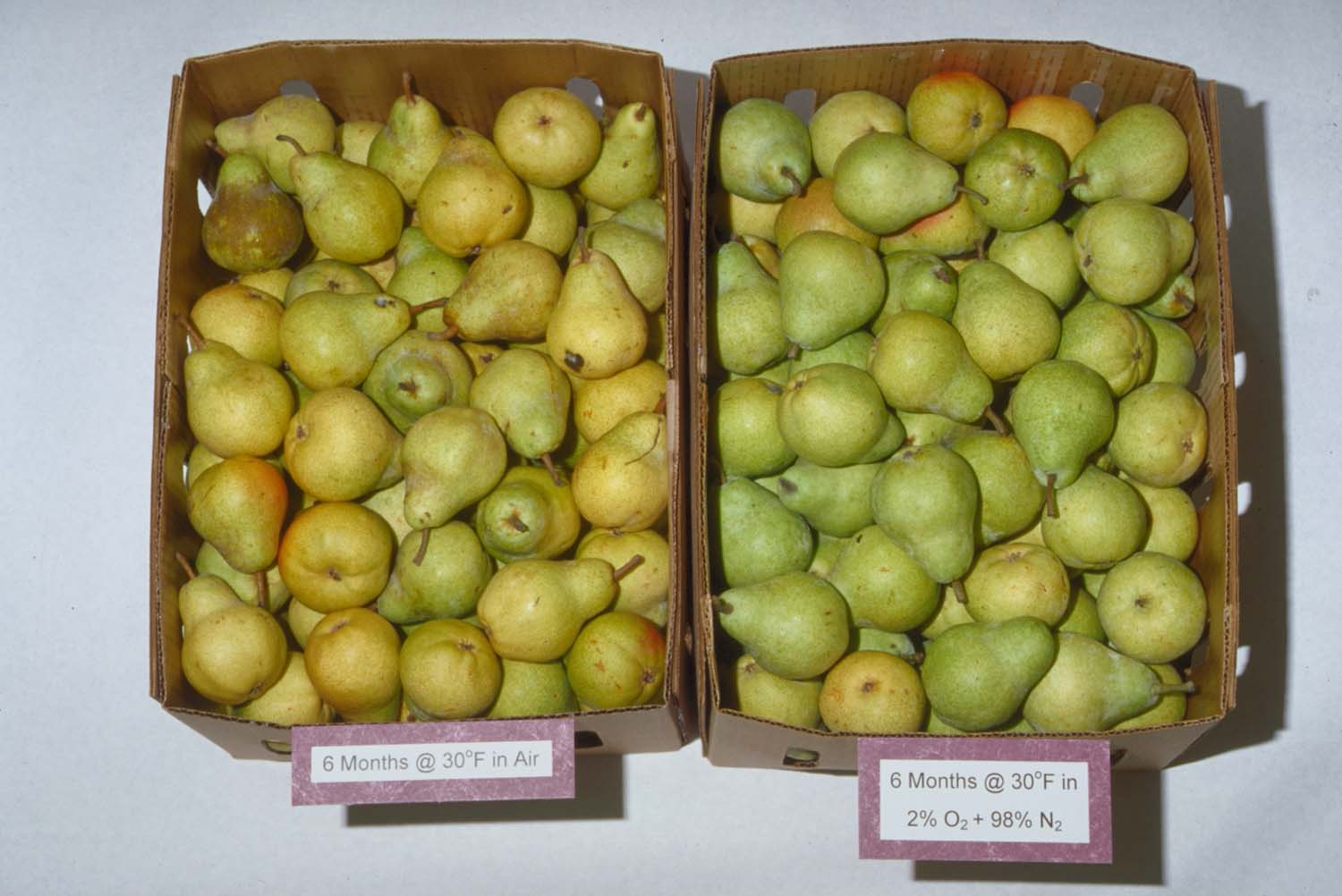
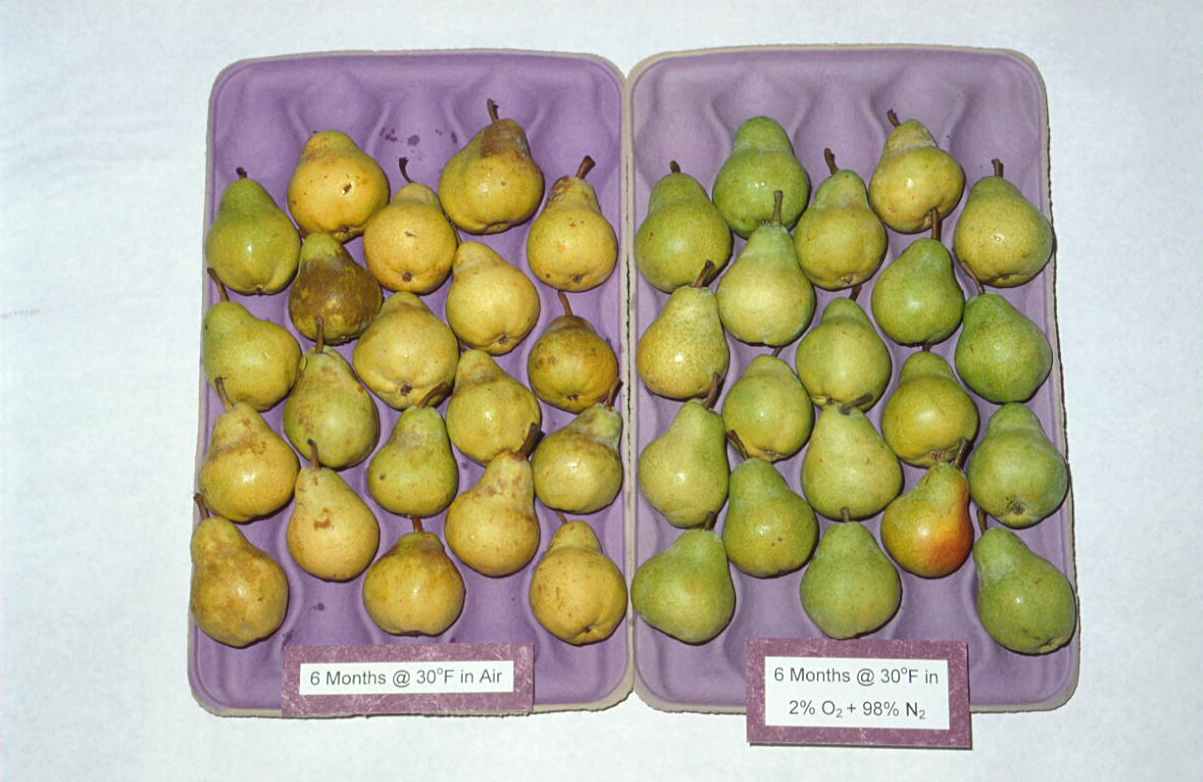
CA conditions slow the rates of respiration, ethylene production, color change from green to yellow, and softening of pears. Scald development and decay incidence are suppressed under CA.
Storage potential of ‘Bartlett' pears at -1 to 0°C (30 to 32°F) and 90-95% RH can be as long as 3 months in air and 6 months in CA.
Temperature & Controlled Atmosphere Photos
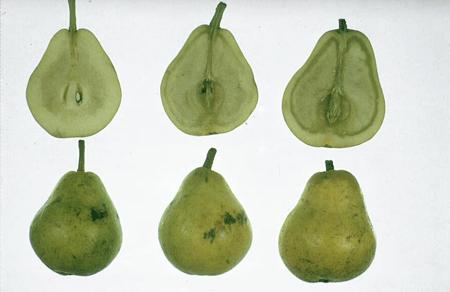
Title: Responses to Controlled Atmospheres 1. Photo Credit: Don Edwards, UC Davis |
Title: Responses to Controlled Atmospheres 2. Photo Credit: Don Edwards, UC Davis |
Title: Responses to Ethylene. Photo Credit: Don Edwards, UC Davis |
Physiological and Physical Disorders
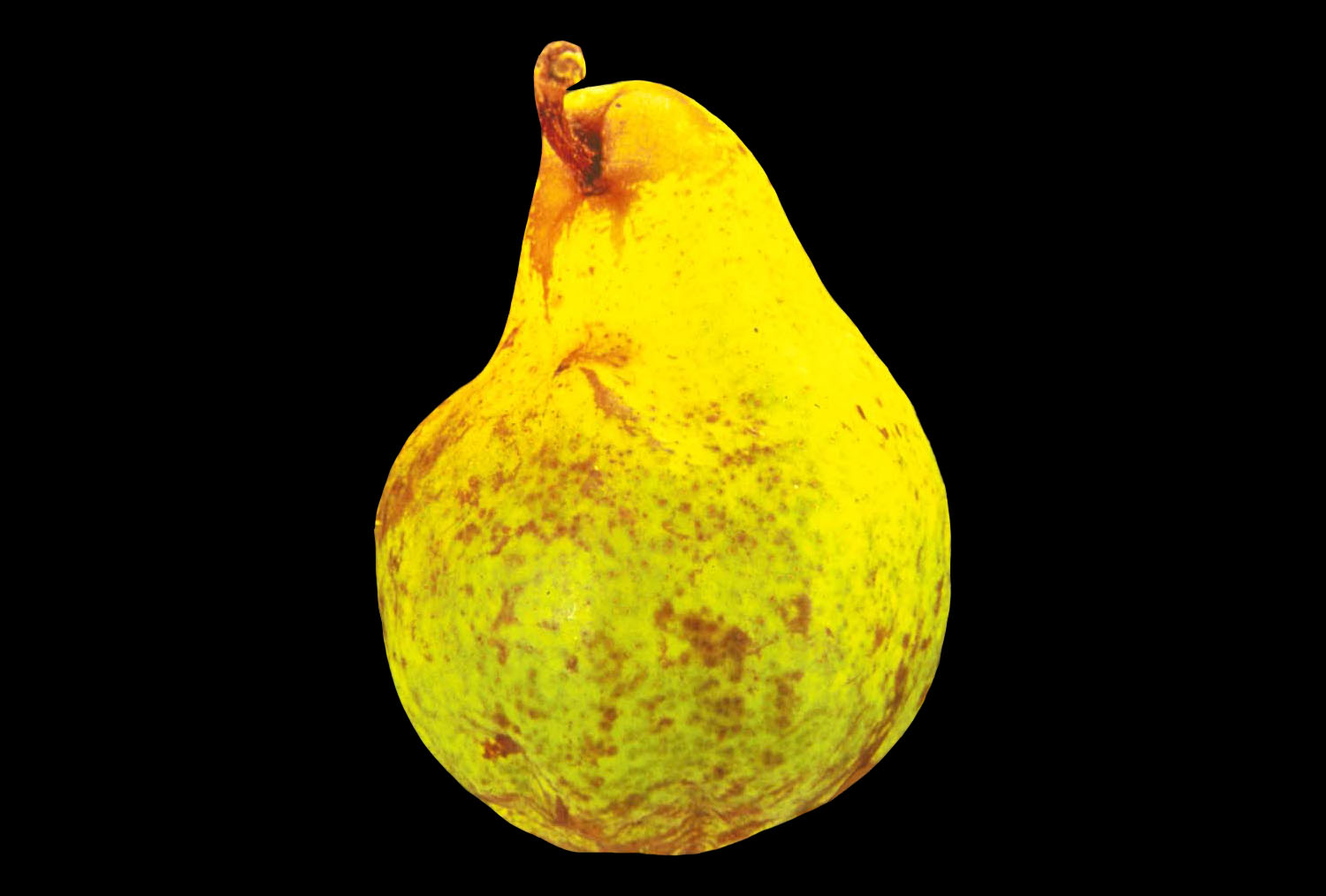
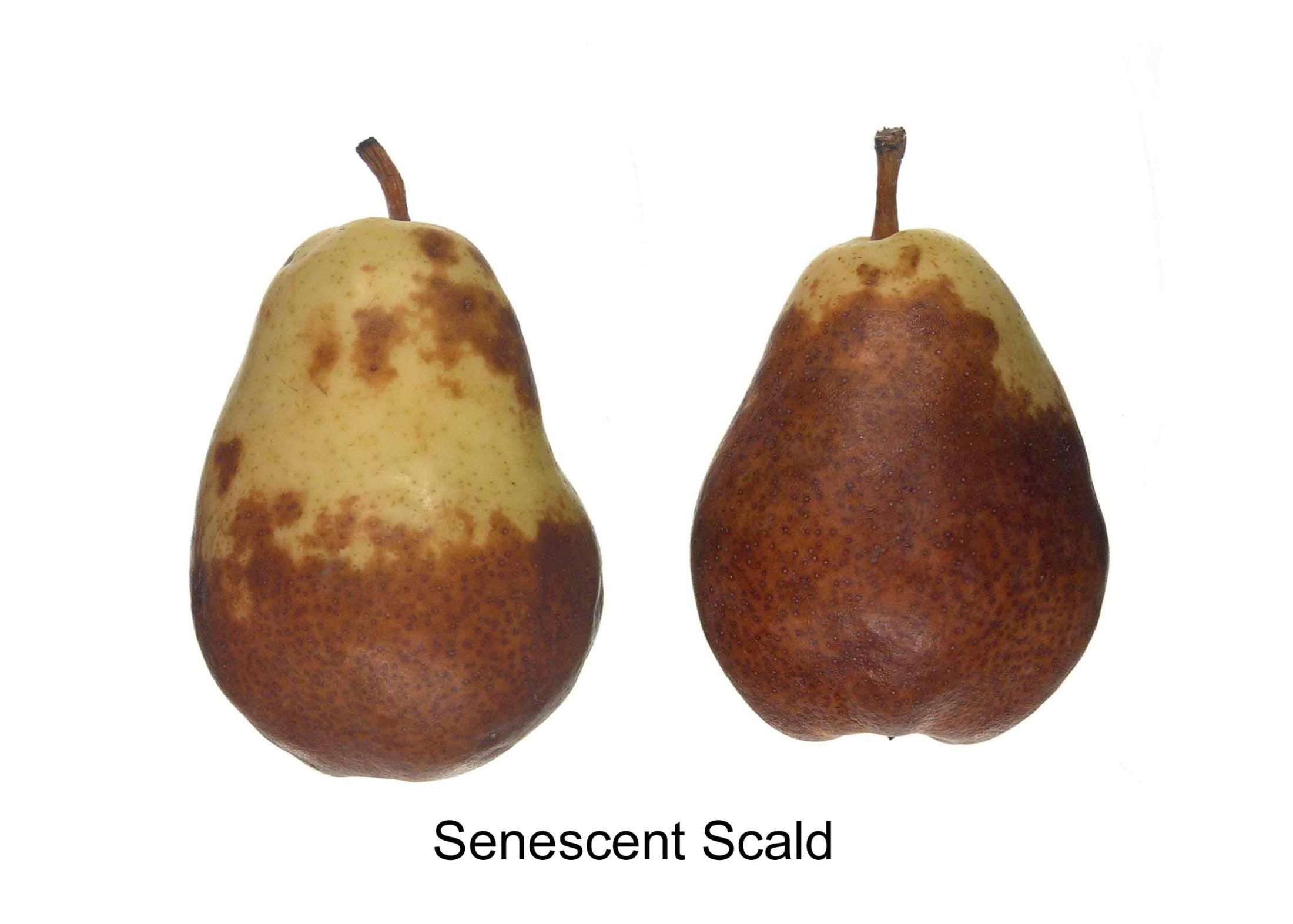
Senescent Scald. Dark-brown skin discoloration begins as small spots and develops into large areas of skin turning brown after long term storage; brown skin may slough off. Prompt cooling and maintenance of optimum fruit temperature minimize this disorder. Occurs when fruit become senescent.
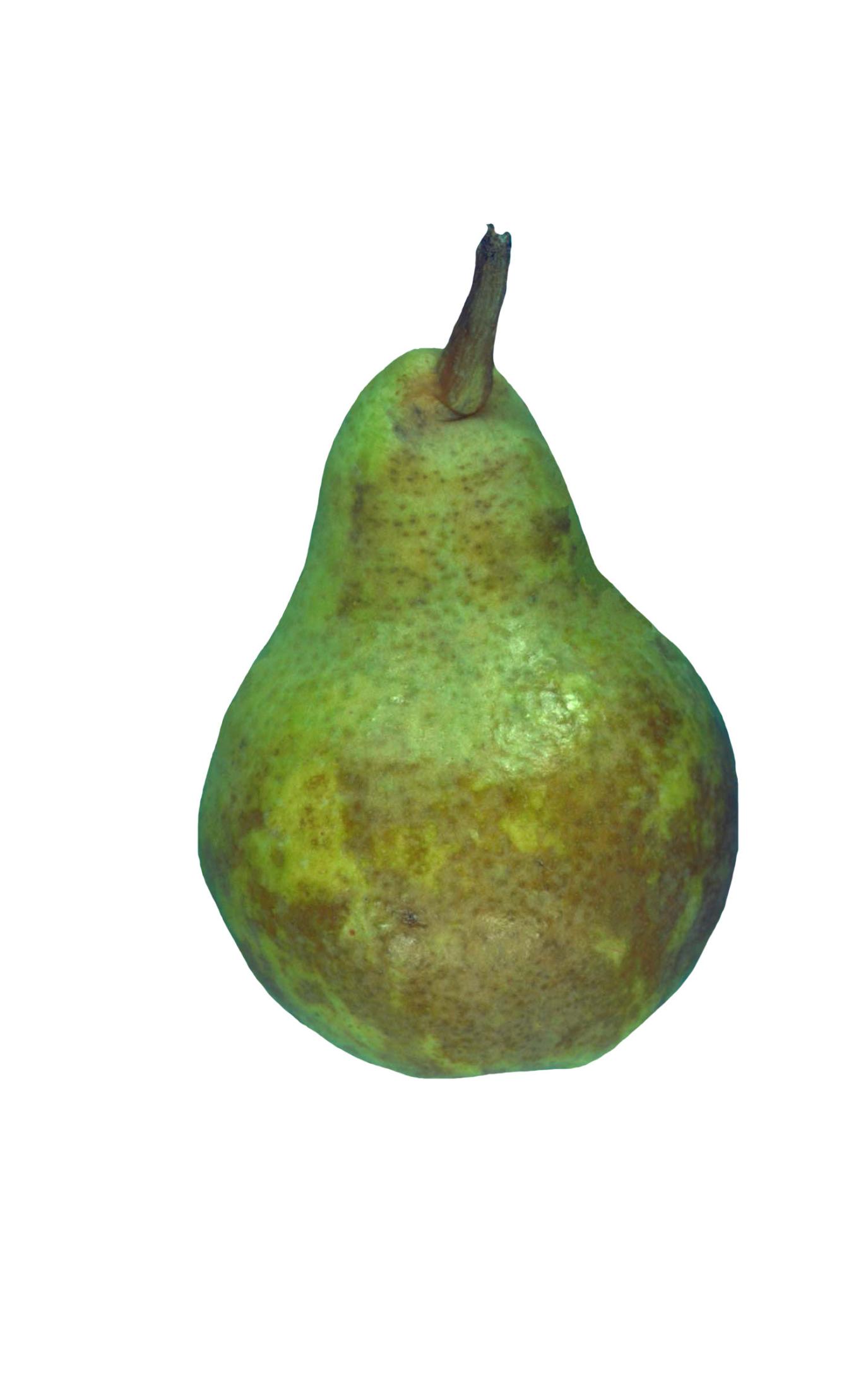
Superficial Scald. Diffuse brown skin discoloration occurs after several months of storage and during ripening after storage. Scald inhibitors, such as ethoxyquin (not available in Calif.), may be used on pears that are stored longer than 3 months. Controlled-atmosphere storage delays scald incidence and severity.
Watery Breakdown. Losses from this disorder result from a rapid enzymatic flesh breakdown (excessive softening) that occurs sometimes during storage, but mostly during subsequent ripening. Prompt and thorough cooling and maintenance of optimum temperatures of -1 to 0°C (30 to 32°F) will minimize losses due to watery breakdown.
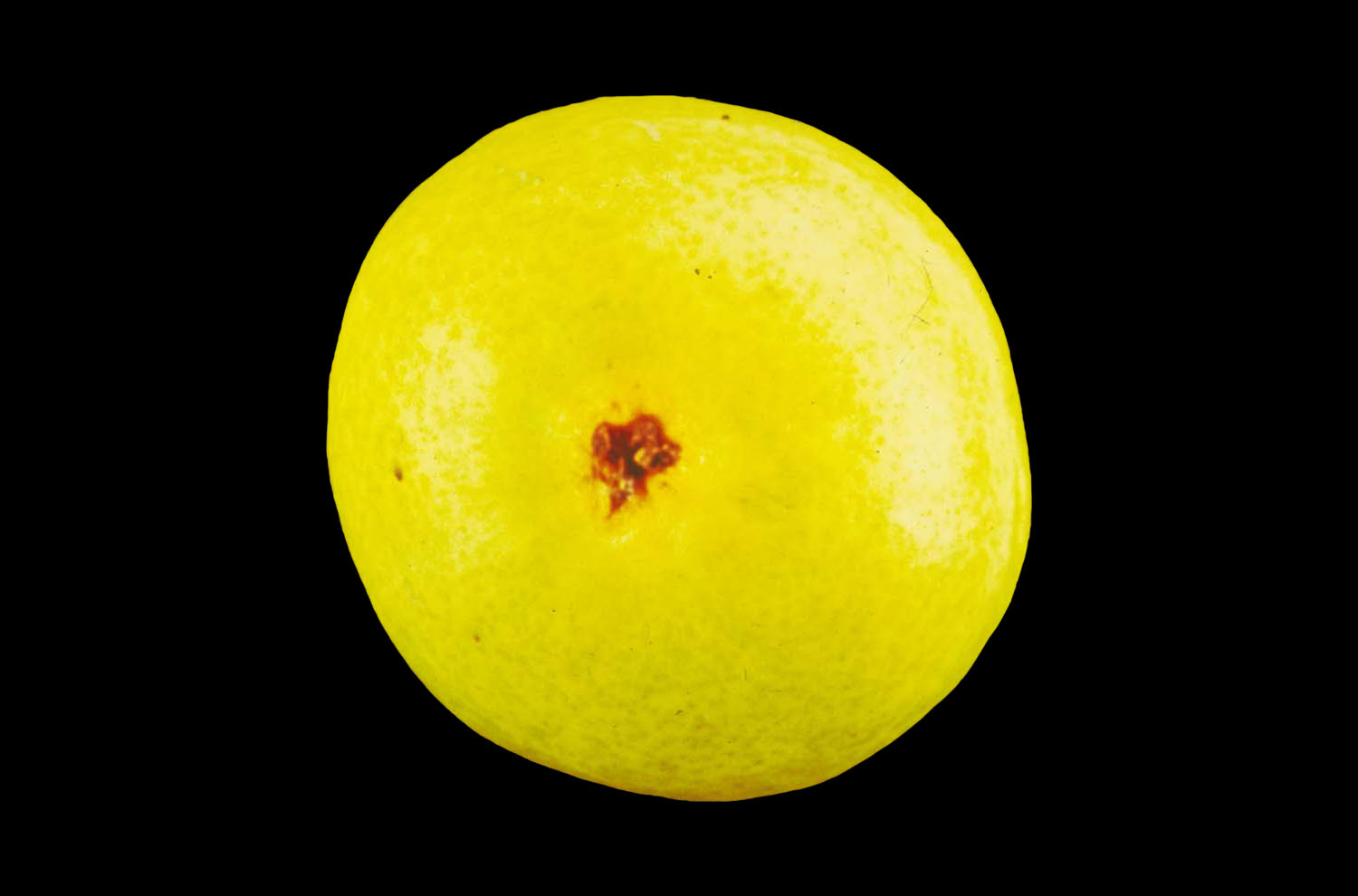
Pink Calyx. Cool growing temperatures can result in a "pink calyx" fruit breakdown and premature ripening of ‘Bartlett' pears.
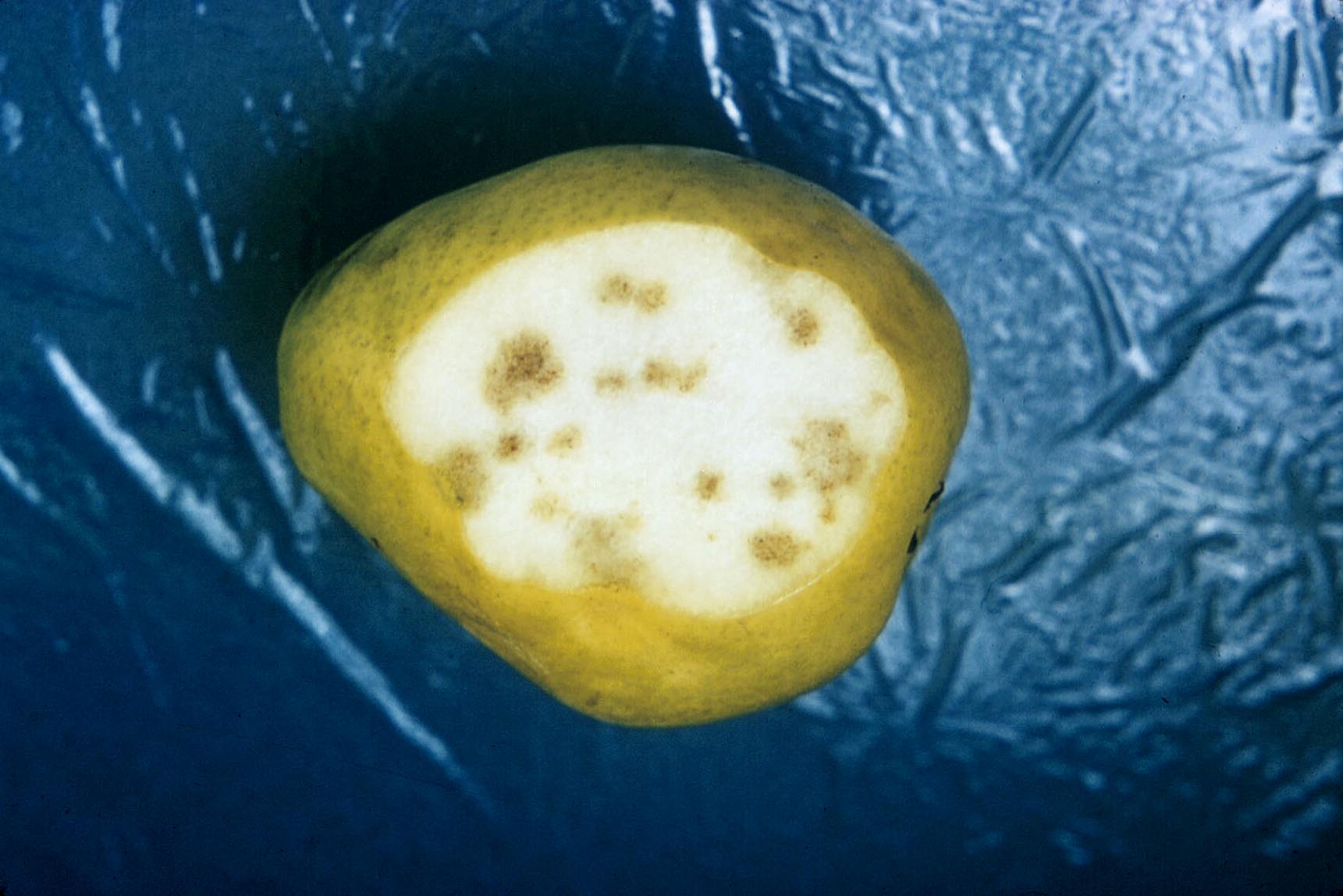
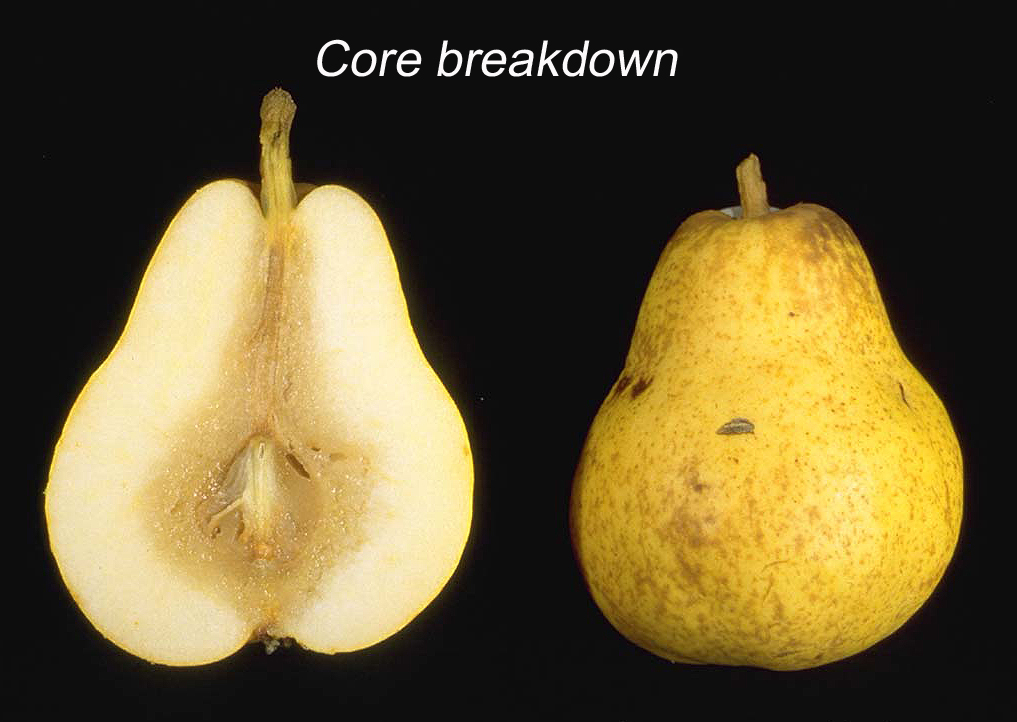
CA-related. Exposure of pears to unfavorable atmospheric compositions (levels of O2 below and/or CO2 above those indicated above as optimum CA) can induce physiological disorders and failure to ripen upon removal from CA conditions. CA-stressed pears exhibit flesh browning, develop cavities in damaged tissues, and undergo ethanolic fermentation, which results in accumulation of acetalydehyde, ethanol, and ethyl acetate, and development of off-flavors.
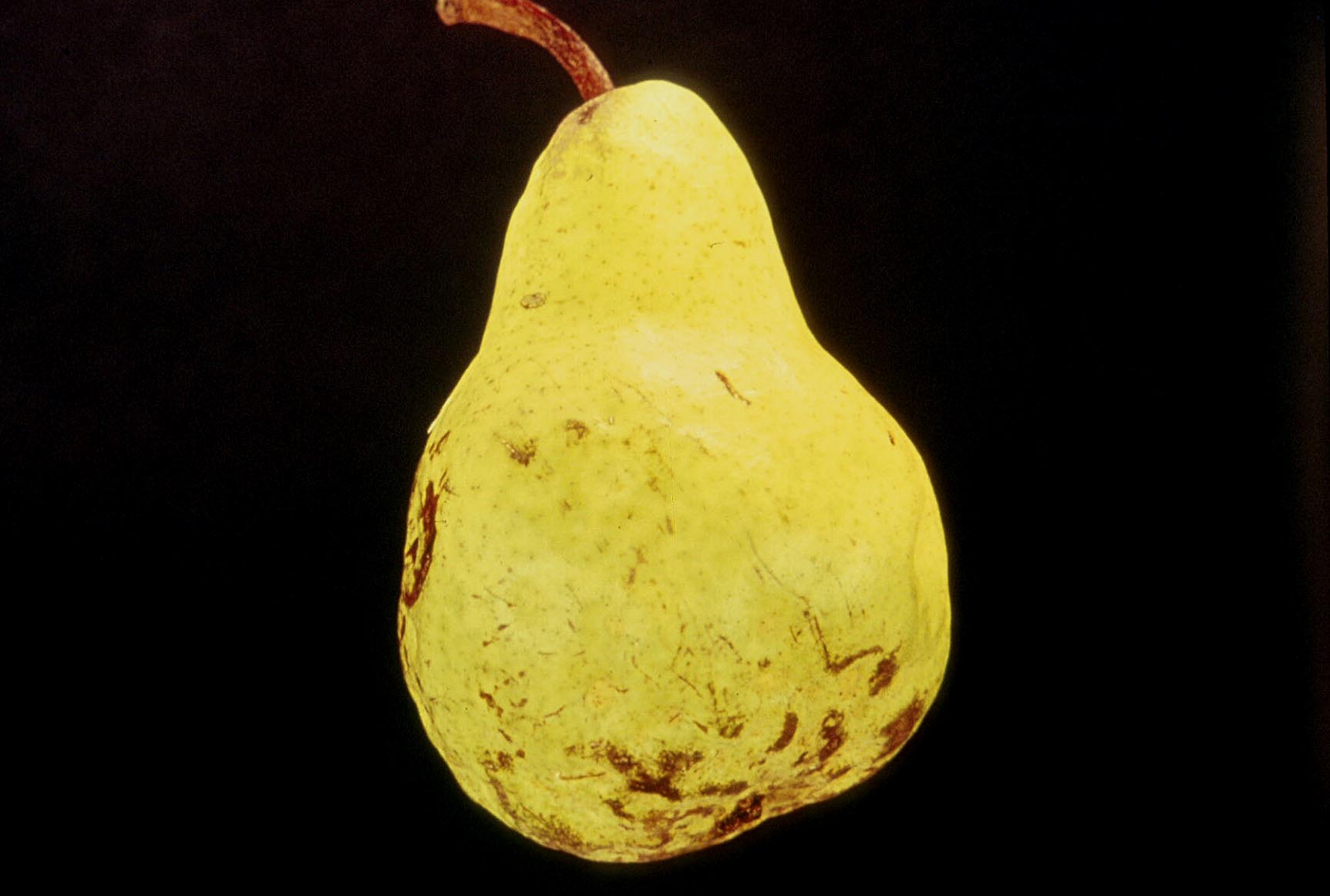
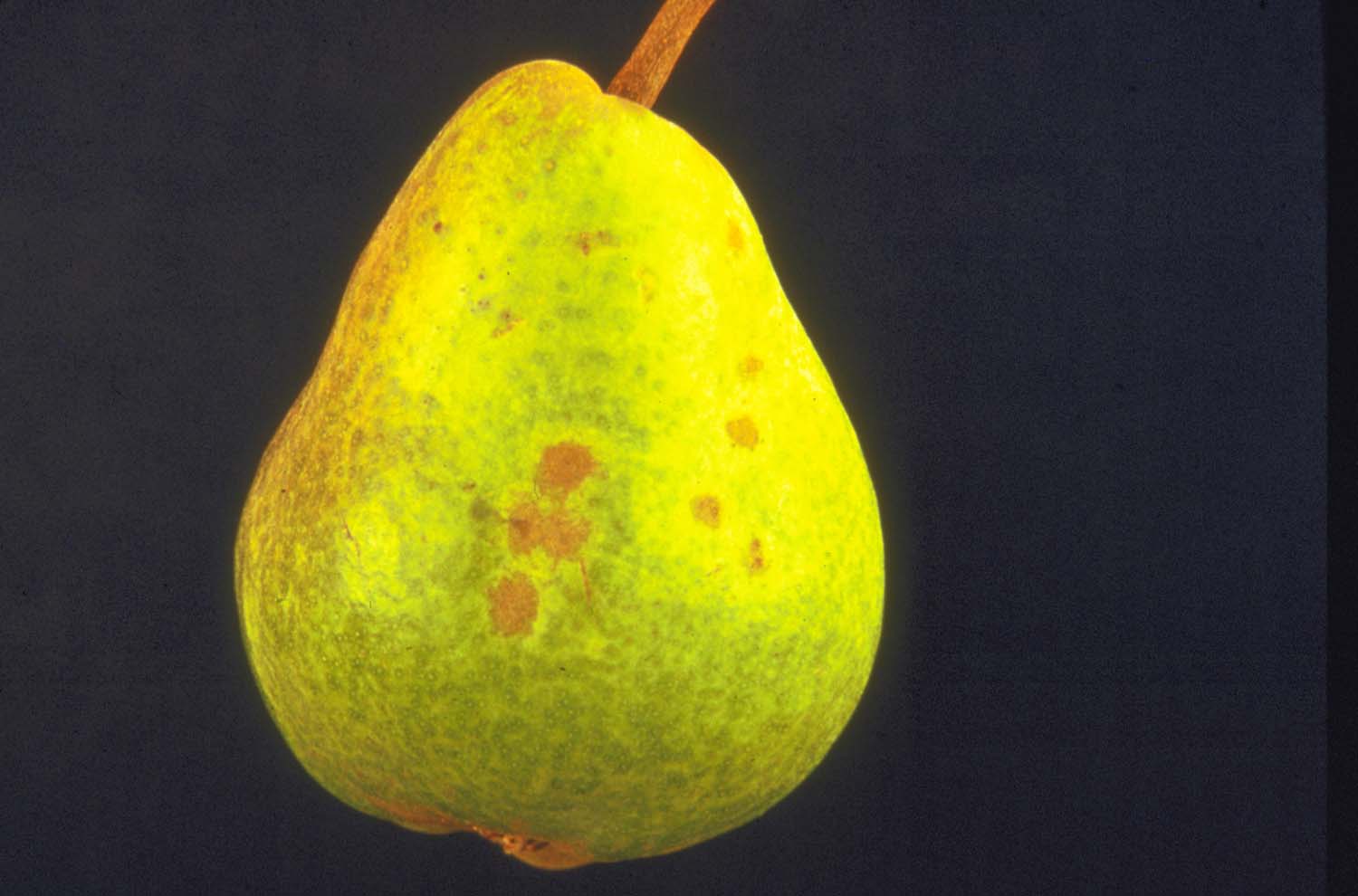
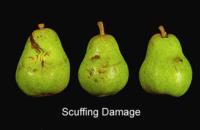
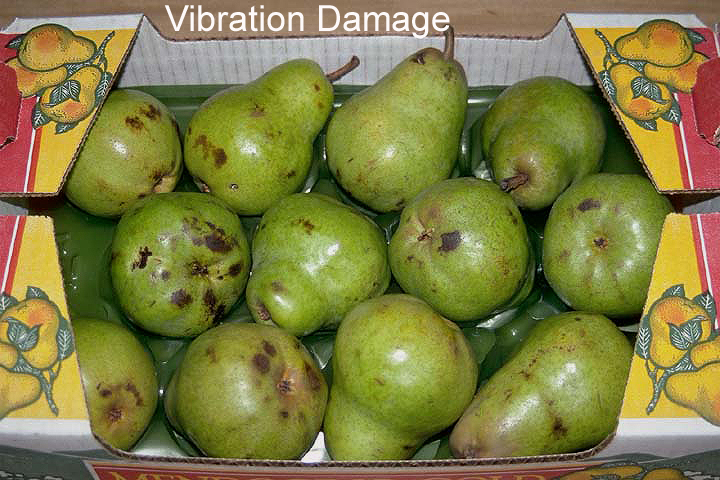
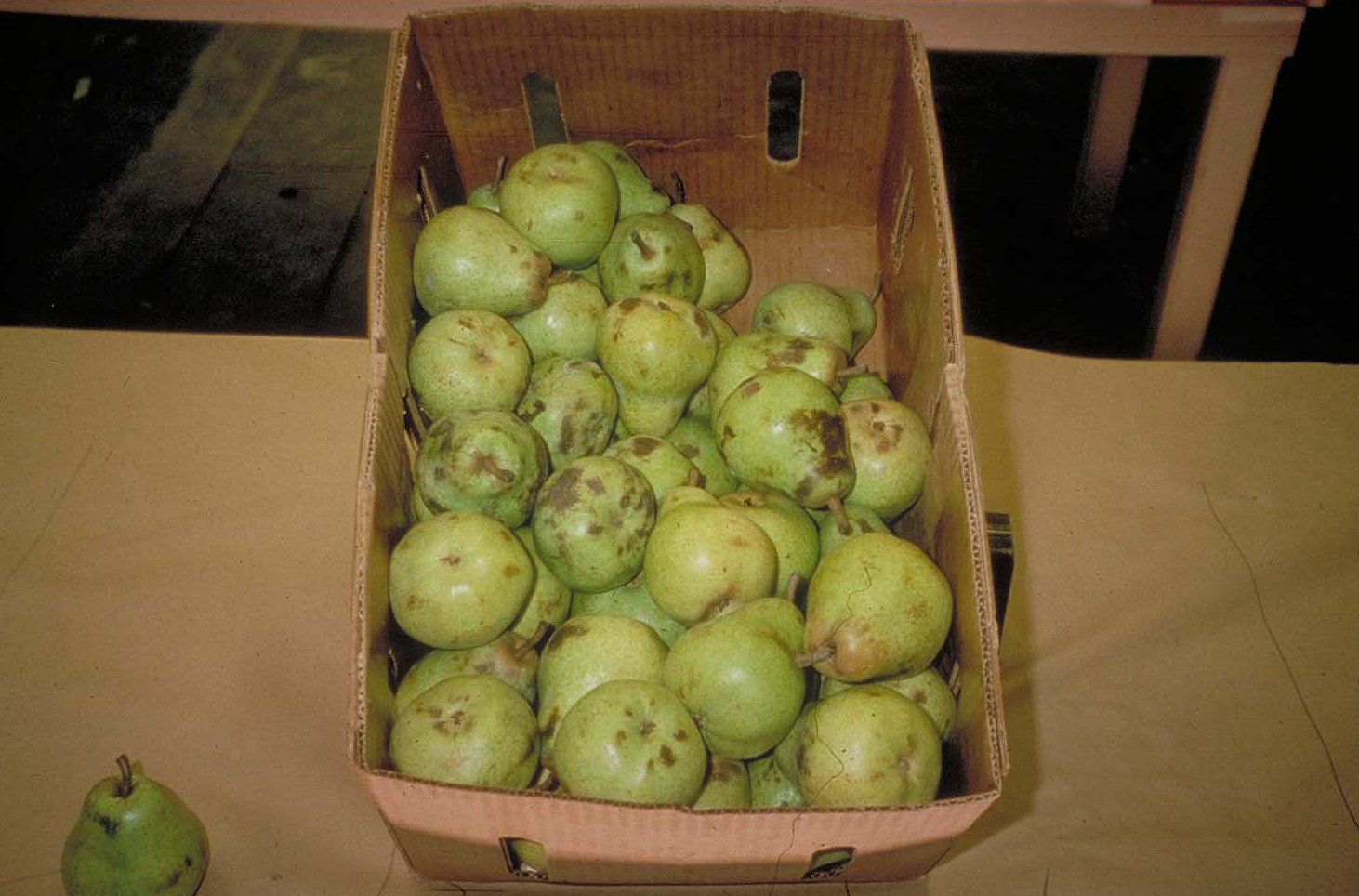
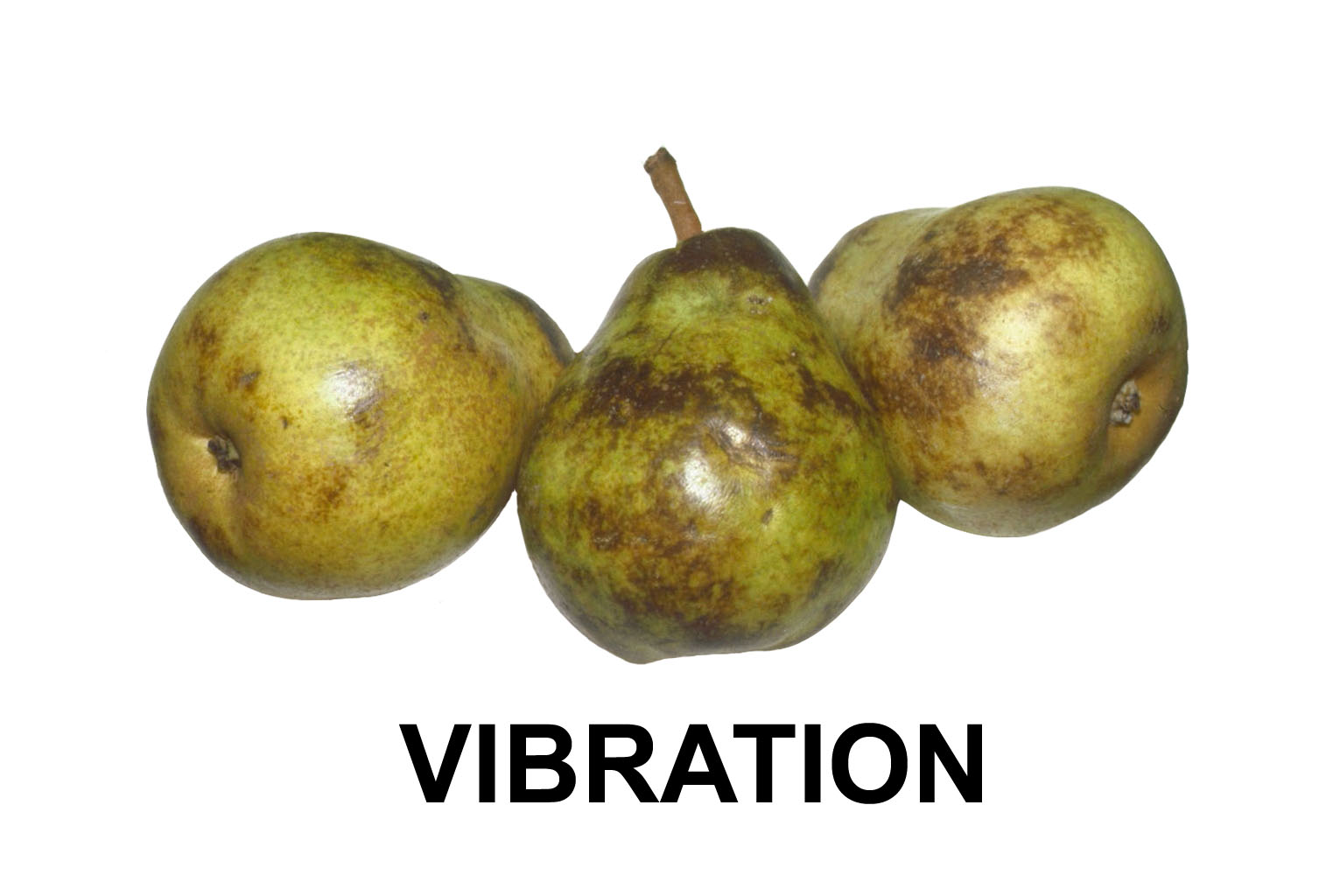
Vibration (Roller) Bruising. Symptoms include brown spots or bands on the skin where rolling, rubbing, or vibration occurred, and damage is usually not visible below the surface. This problem can be minimized by immobilizing the pears (such as tight-fill packing) or by packaging them into plastic bags within the shipping containers during transport.
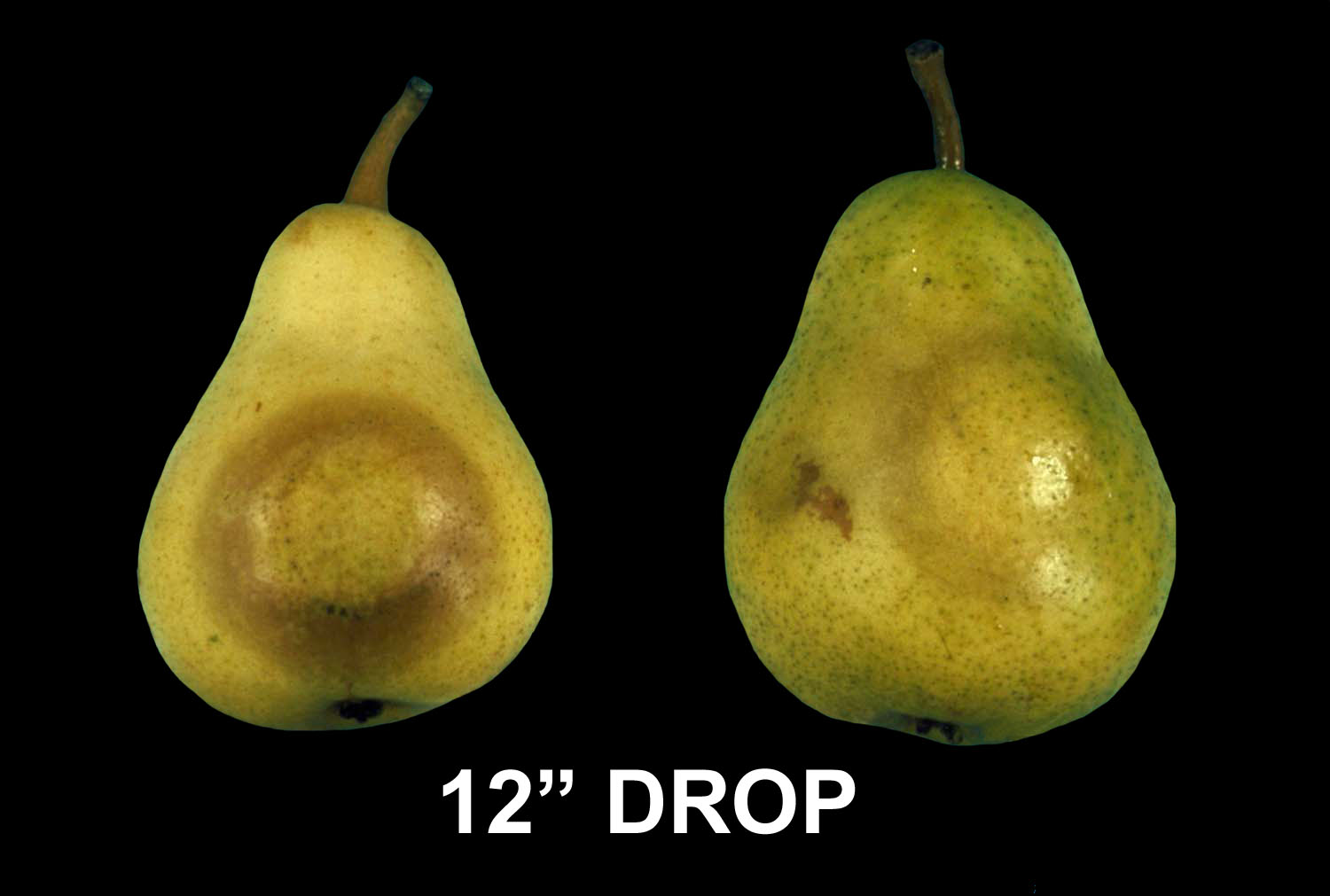
Impact Bruising. Brown discoloration of the flesh results from impact bruising; severity increases with the height of the fruit drop. Partially-ripe and ripe pears are more susceptible to impact bruising than mature-green pears.

Pathological Disorders
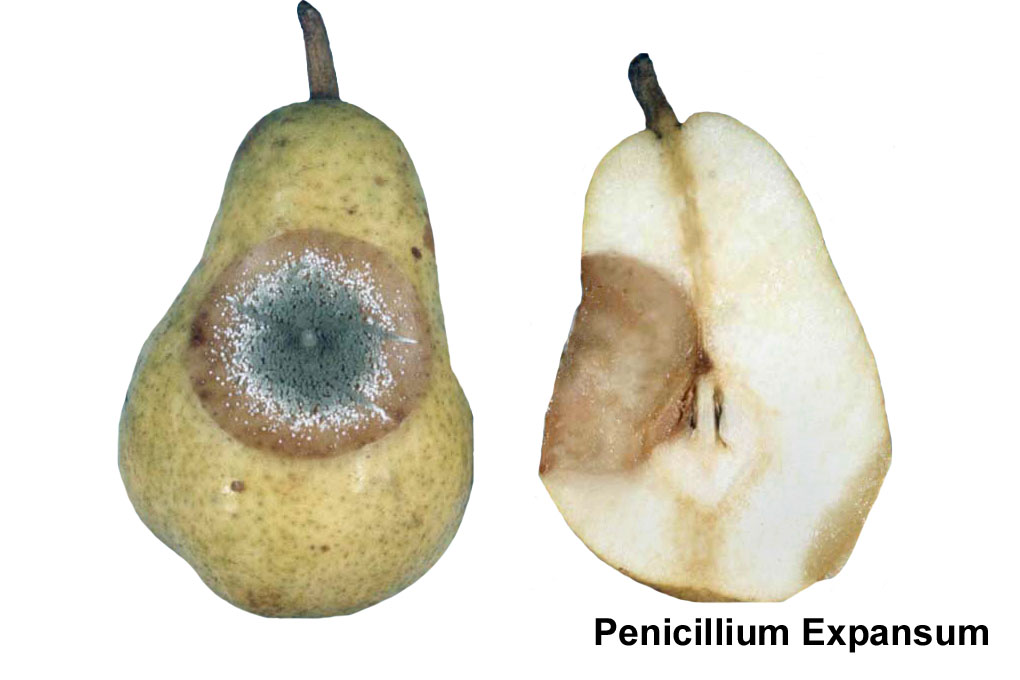
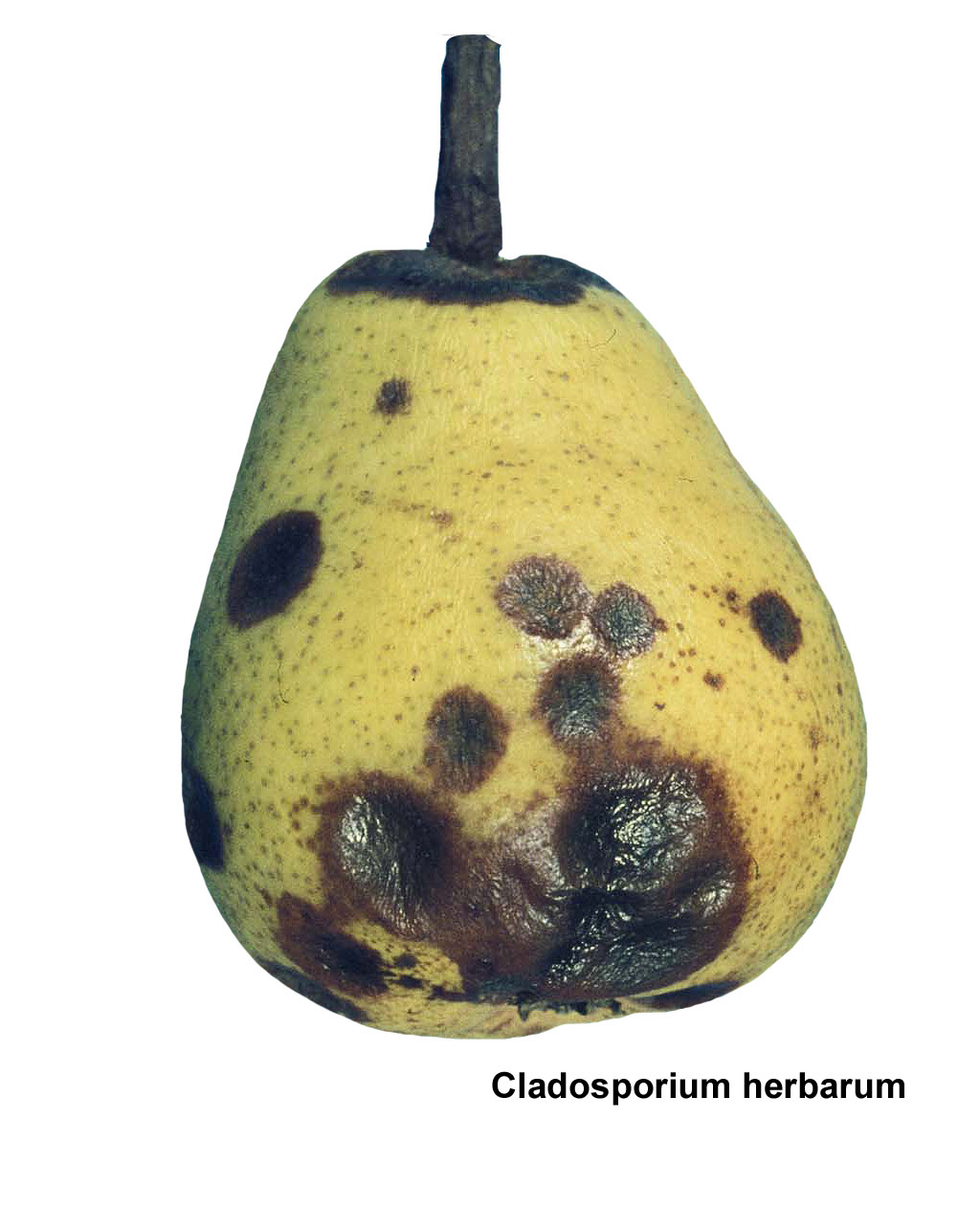
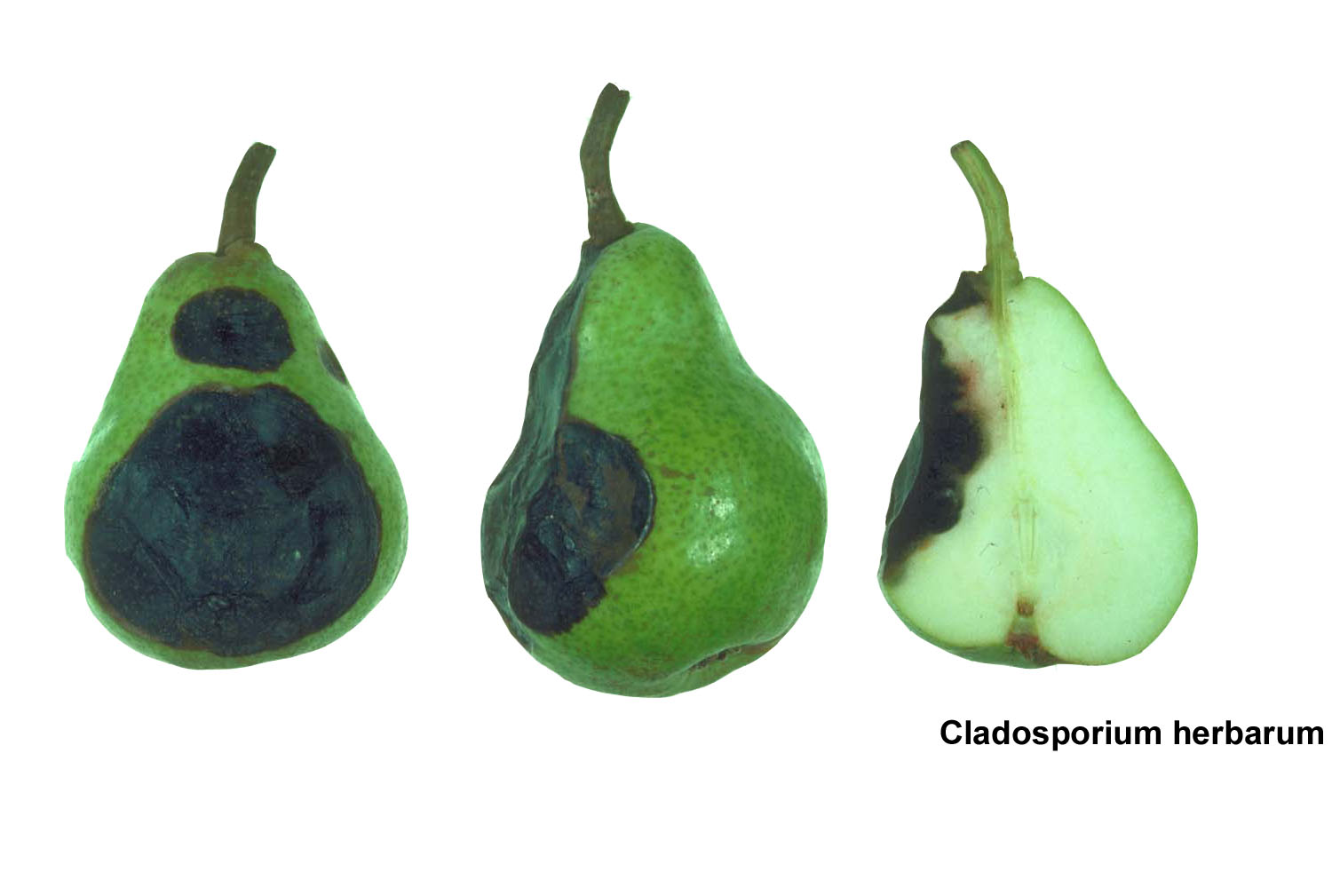
Blue Mold Rot. Caused by Penicillium expansum which is a wound parasite that readily colonizes cuts and punctures on pears. Avoiding mechanical injuries is the best way to avoid this fungus.
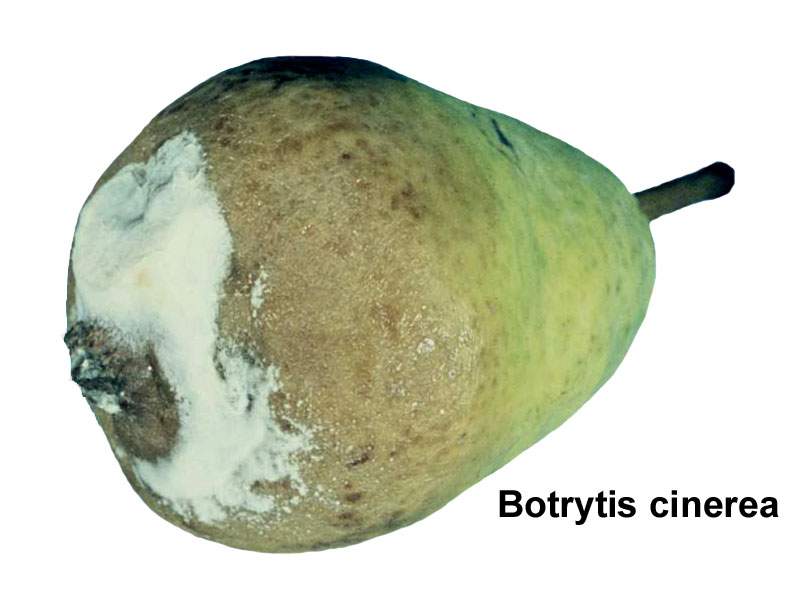
Gray Mold Rot. Caused by Botrytis cinerea. Infections occur during blossoming and remain latent until the pears begin to ripen at which time the fungus can grow into the fruit, especially at the calyx and stem ends. Botrytis can also enter the fruit through wounds created during postharvest handling. Control strategies include minimizing mechanical damage, prompt cooling and maintaining optimum temperature during transport and storage.
References
References from scientifically validated sources will be added in the future.