




Product description
Maturity and Quality
Standard Tomatoes. Minimum harvest maturity (Mature Green 2) is defined by internal fruit structure indices. Seeds are fully developed and are not cut upon slicing the fruit. Gel formation is advanced in at least one locule and jellylike material is forming in other locules.
ESL Tomatoes.* Off-vine ripening is severely affected if fruit are harvested at the MG2 stage. Minimum harvest maturity is better defined as equivalent to ripeness class Pink (USDA Color Stage 4 more than 30 percent but no more than 60 percent of the fruit surface, overall, shows a pink-red color.)
*Extended Shelf-Life trait is due, in part, to either the presence of the rin or nor gene.
Standard tomato quality is primarily based on uniform shape and freedom from growth or handling defects. Size is not a factor of grade quality but may strongly influence commercial quality expectations.
Shape. Well formed for type (round, globe, flattened globe, roma)
Color. Uniform color (orange-red to deep red; light yellow). No green shoulders.
Appearance. Smooth and small blossom-end scar and stem-end scar. Absence of growth cracks, catfacing, zippering, sunscald, insect injury, and mechanical injury or bruises.
Firmness. Yields to firm hand pressure. Not soft and easily deformed due to an overripe condition.
U.S. grades are No. 1, Combination, No. 2, and No. 3. Distinction among grades is based predominantly on external appearances, bruising and firmness. Greenhouse grown tomatoes are graded as U.S. No. 1 or No. 2 only.


Postharvest Handling and Storage
Mature Green: 12.5-15°C (55-60°F)
Light Red (USDAColor Stage 5): 10-12.5°C (50-55°F)
Firm-ripe (USDA Color Stage 6): 7-10°C (44-50°F) for 3-5 days
Mature-green tomatoes can be stored up to 14 days prior to ripening at 12.5°C (55°F) without significant reduction of sensory quality and color development. Decay is likely to increase following storage beyond two weeks, at this temperature. Typically 8-10 days of shelflife are attainable within the optimum temperature range after reaching the Firm-ripe stage. Short term storage or transit temperatures below this range are used by some in the trade but will result in chilling injury after several days. Extended storage with controlled atmosphere has been demonstrated. (See Responses to CA)
Ripening Temperatures. 18-21°C (65-70°F); 90-95% R.H. for standard ripening 14-16°C (57-61°F) for slow ripening (i.e. in transit).For more details on ripening conditions see Ripening.
90-95%
High relative humidity is essential to maximize postharvest quality and prevent water loss (desiccation). Extended periods of higher humidity or condensation may encourage the growth of stem-scar and surface molds.
| Temperature | 5°C (41°F) | 10°C (50°F) | 15°C (59°F) | 20°C (68°F) | 25°C (77°F) |
| mL CO2/kg·h | |||||
| Mature-Green Ripening | 3-4 | 6-9 | 8-14 | 14-21 | 18-26 |
| Green Ripening | NR | 7-8 | 12-15 | 12-22 | 15-26 |
To calculate heat production, multiply ml CO2/kg·hr by 440 to get BTU/ton/day or by 122 to get kcal/metric ton /day.
NR - not recommended for more than a few days due to chilling injury.
1.2-1.5µl/kg·hr at 10°C (50°F)
4.3-4.9µl/kg·hr at 20°C (68°F)
Tomatoes are sensitive to exogenous ethylene and exposure of mature-green fruit to ethylene will initiate ripening. Ripening tomatoes produce ethylene at a moderate rate and co-storage or shipment with sensitive commodities, such as lettuce and cucumbers, should be avoided.
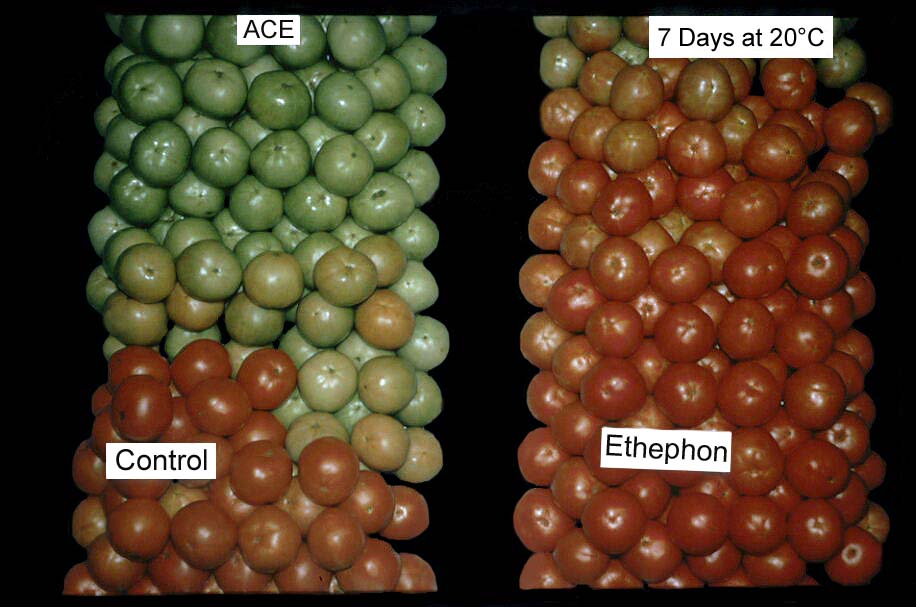
Ripening. Faster ripening results from higher temperatures between 12.5-25°C (55-77°F); 90-95% R.H.; 100 ppm ethylene. Good air circulation must be maintained to ensure temperature uniformity within the ripening room and to prevent the accumulation of CO2. CO2 (above 1%) retards the action of ethylene in stimulating ripening.
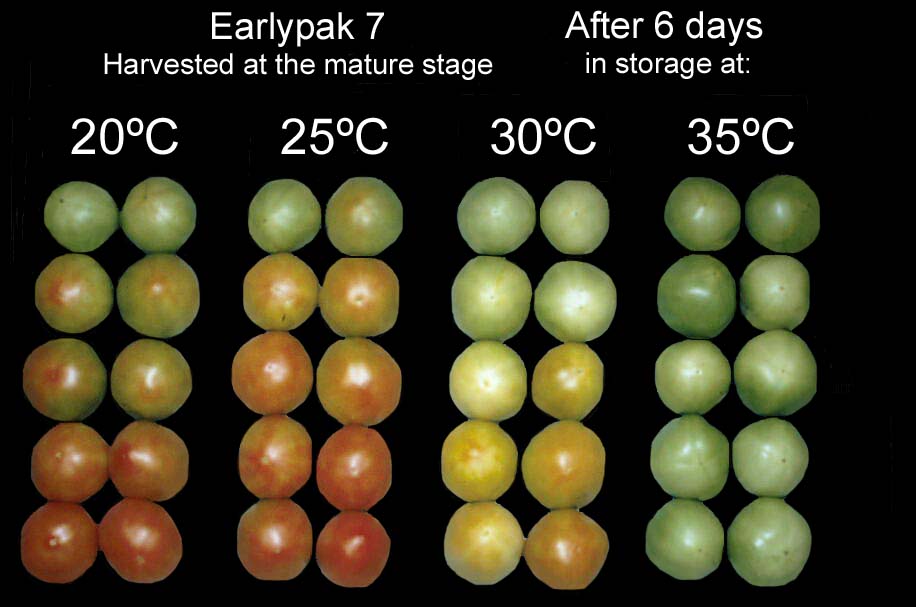
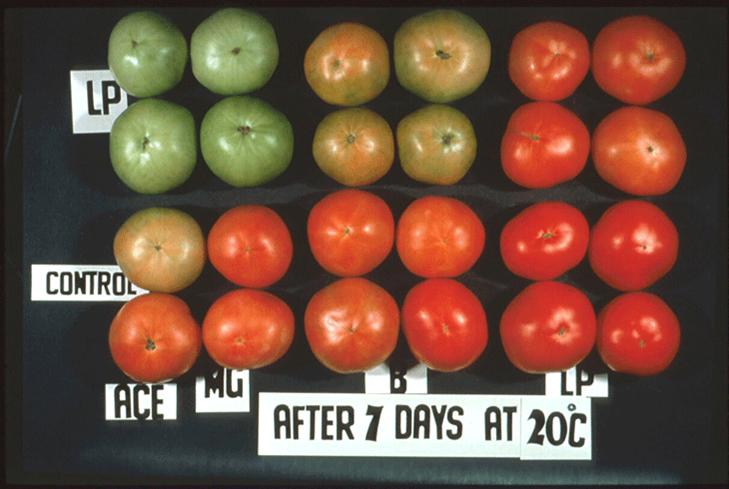
The optimum ripening temperature to ensure sensory and nutritive quality is 20°C (68°F). Color development is optimal and retention of vitamin C content is highest at this ripening temperature. Tomatoes allowed to ripen off-the-vine above 25°C (77°F) will develop a more yellow and less red color and will be softer.
Ethylene treatment typically extends for 24-72 hours. A second treatment period may follow repacking if immature green fruit were included in the harvest.
Controlled atmosphere storage or shipping offer a moderate level of benefit. Low O2 levels (3-5%) delay ripening and the development of surface and stem-scar molds without severely impacting sensory quality for most consumers. Storage times of up to 7 weeks have been reported for tomatoes using a combination of 4% O2, 2% CO2, and 5% CO2. More typically, 3% O2 and 0-3% CO2 are used to maintain acceptable quality for up to 6 weeks prior to ripening. Elevated CO2 above 3-5 % is not tolerated by most cultivars and will cause injury. Low O2 (1%) will cause off-flavors, objectionable odors, and other condition defects, such as internal browning.
Rapid cooling soon after harvest is essential for optimal postharvest keeping quality. The precooling endpoint is typically 12.5°C (55°F). Forced-air cooling is the most effective practice but room cooling is more common.
Temperature & Controlled Atmosphere Photos
Title: High Temperature Effects Photo Credit: Adel Kader, UC Davis |
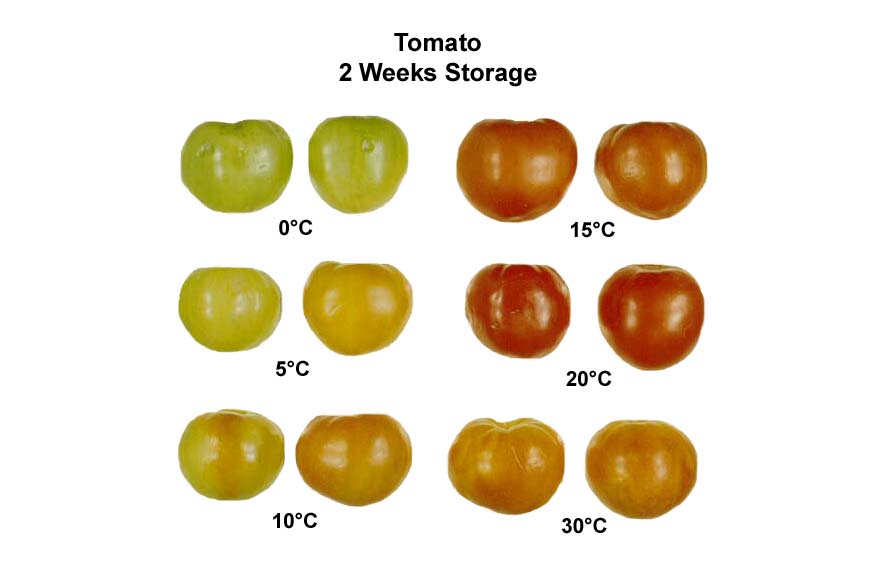
Title: Temperature Effects on Tomato Photo Credit: Don Edwards, UC Davis |
Title: Tomato Ethephon Effects Photo Credit: Adel Kader, UC Davis |
Title: Tomato Low Oxygen Effects Photo Credit: Adel Kader, UC Davis |
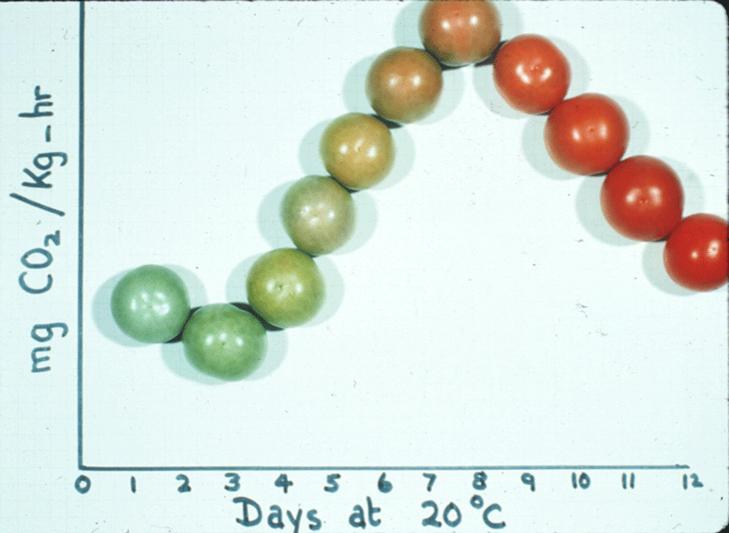
Title: Tomato Respiration vs Ripening Photo Credit: Adel Kader, UC Davis |
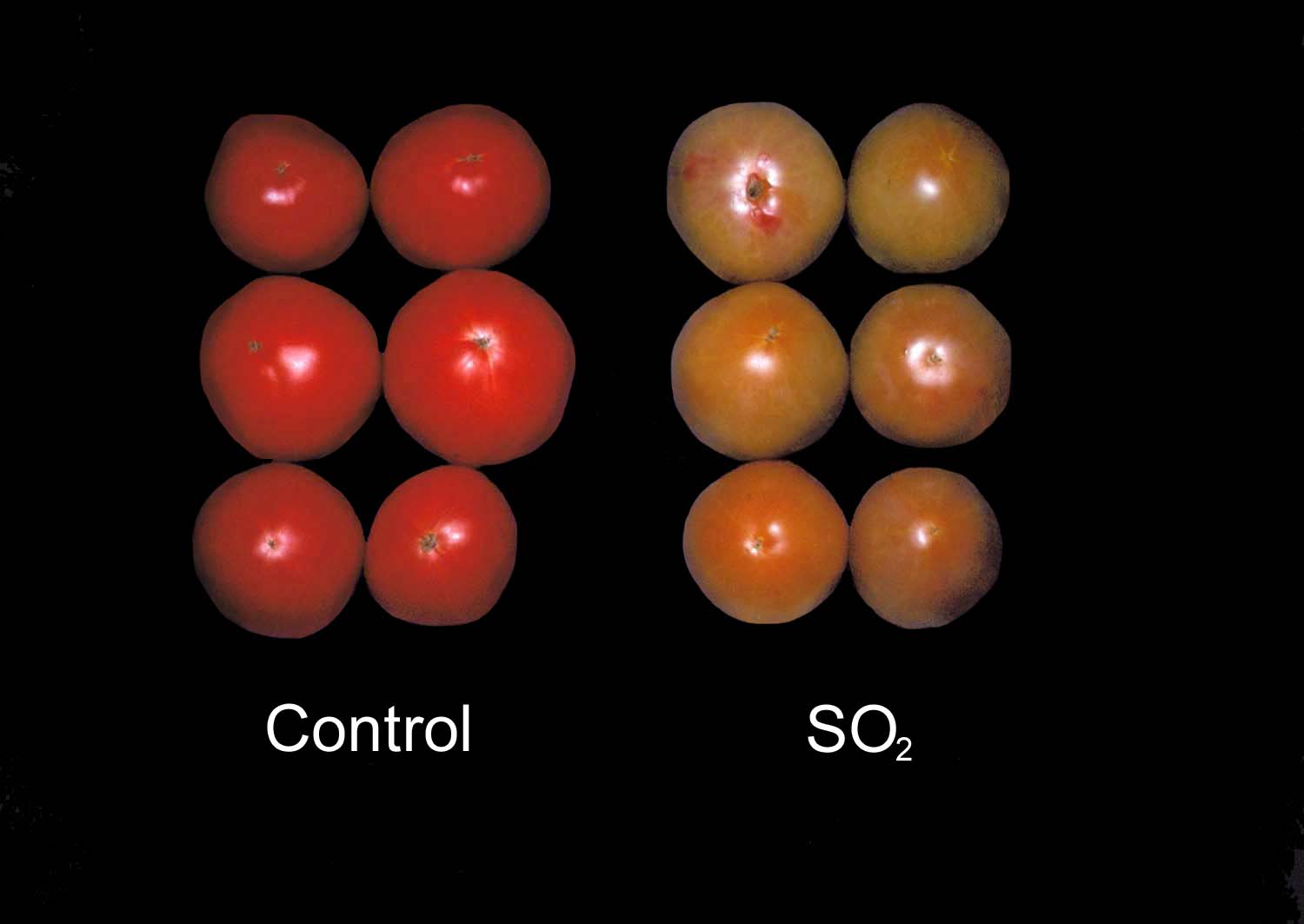
Title: Tomato SO2 Damage Photo Credit: Adel Kader, UC Davis |
Physiological and Physical Disorders
Freezing Injury. Freezing injury will be initiated at -1°C (30°F), depending on the soluble solids content. Symptoms of freezing injury include a watersoaked appearance, excessive softening, desiccated appearance of the locular gel.
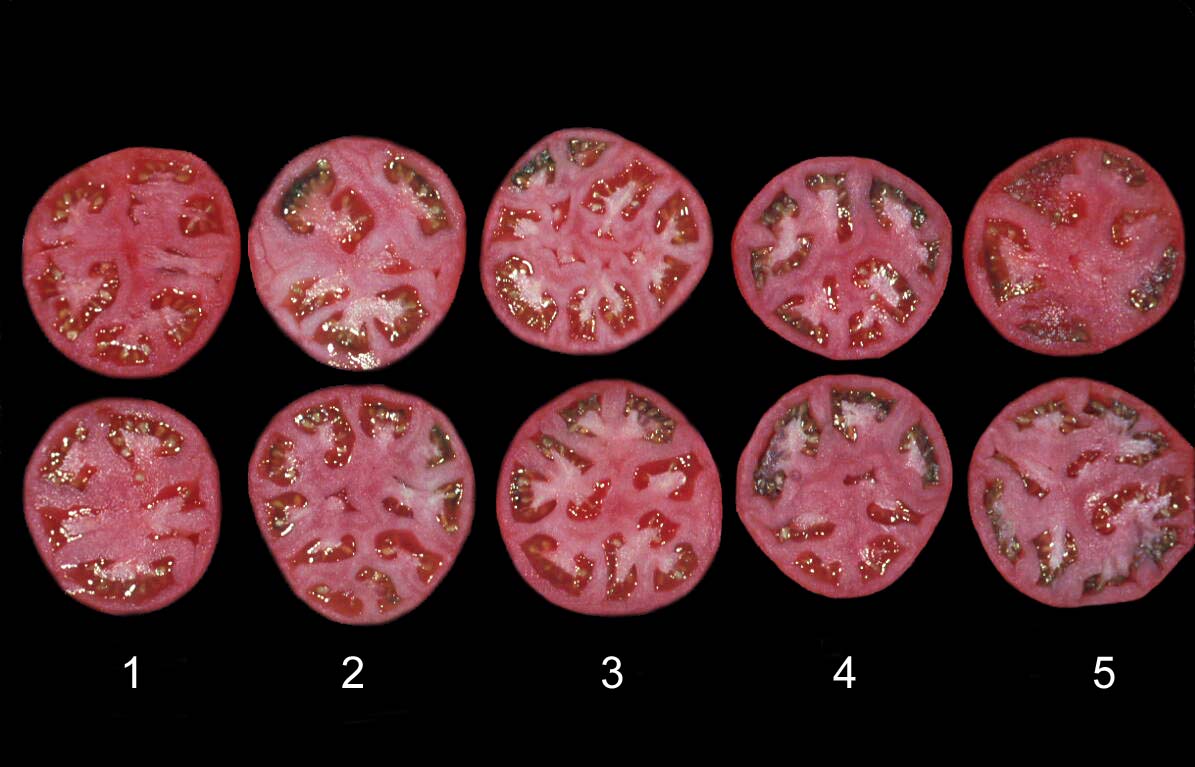
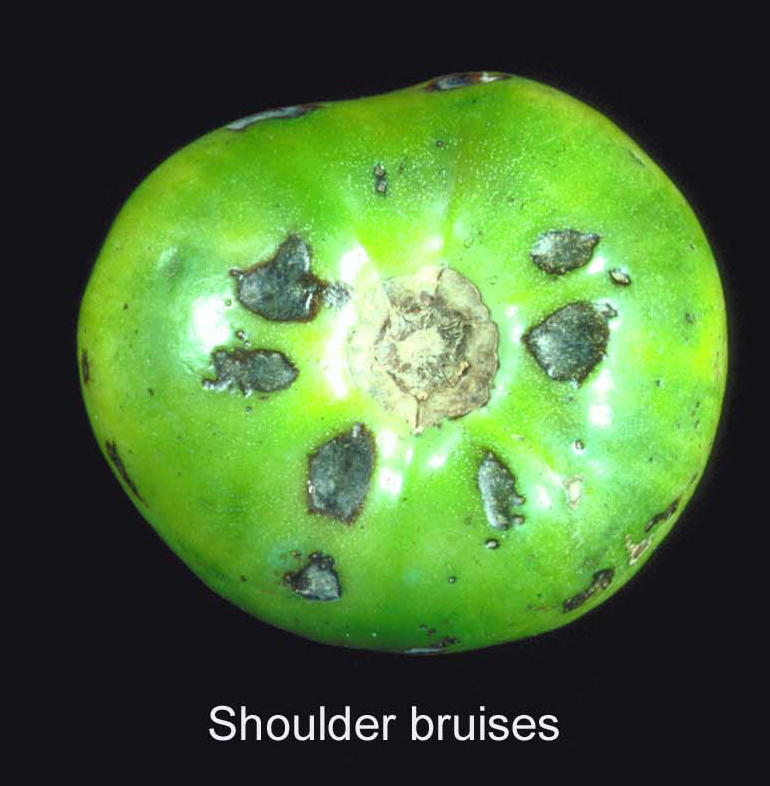
Tomatoes are sensitive to many production and environment-genetic interaction disorders which may be manifested during postharvest ripening or postharvest inspection. Fertilizer and irrigation management, weather conditions, insect feeding injury, asymptomatic virus infection, and unknown agents may interact to affect postharvest quality. Examples are Blossom-end Rot, Internal White Tissue, Rain Checking, Concentric and Radial Cracking, Puffiness, Persistent Green Shoulder, and Graywall. Several references with photographic keys to disorders are available.
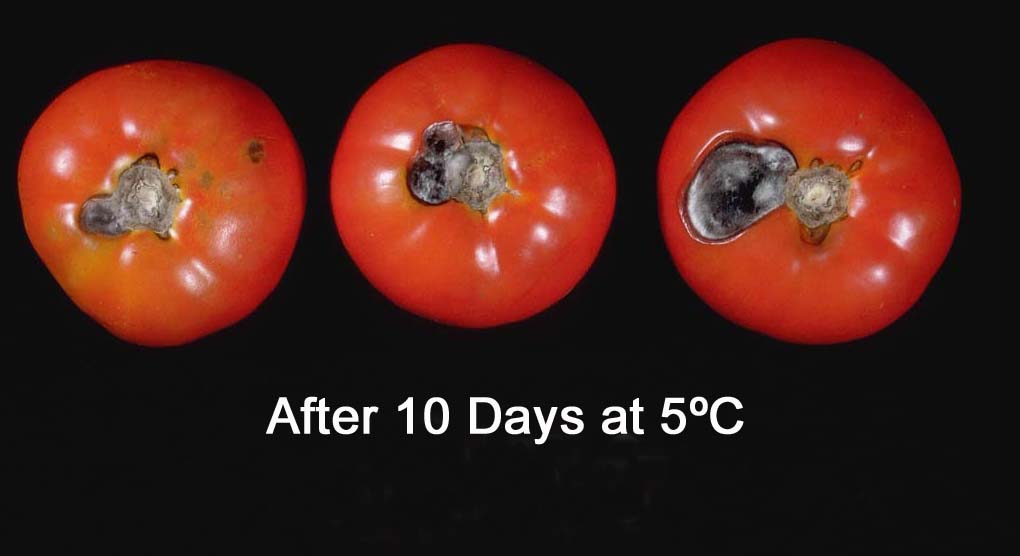
Chilling Injury. Tomatoes are chilling sensitive at temperatures below 10°C (50°F) if held for longer than 2 weeks or at 5°C (41°F) for longer than 6-8 days. Consequences of chilling injury are failure to ripen and develop full color and flavor, irregular (blotchy) color development, premature softening, surface pitting, browning of seeds, and increased decay (especially Black mold caused by Alternaria spp.). Chilling injury is cumulative and may be initiated in the field prior to harvest.










Pathological Disorders
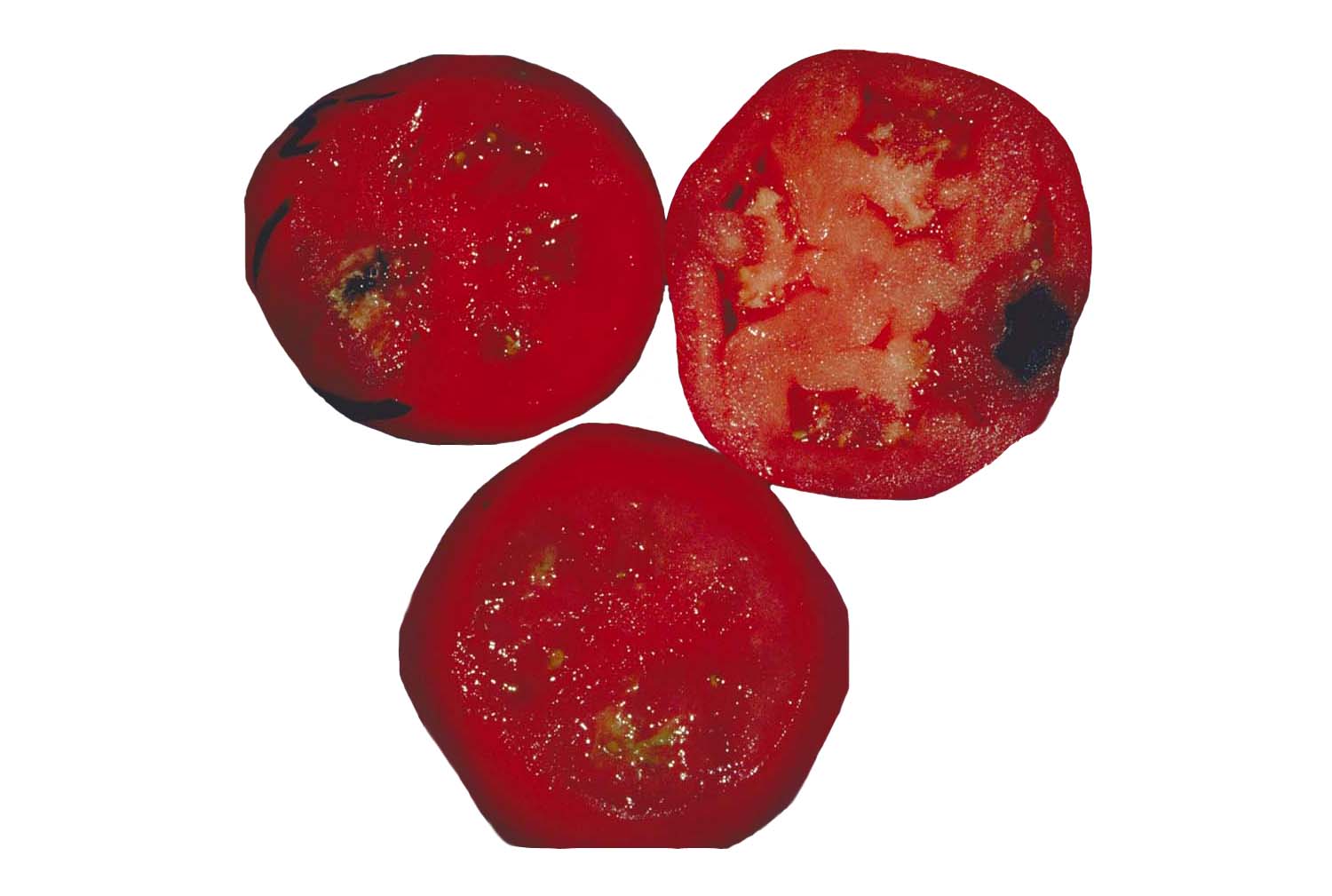
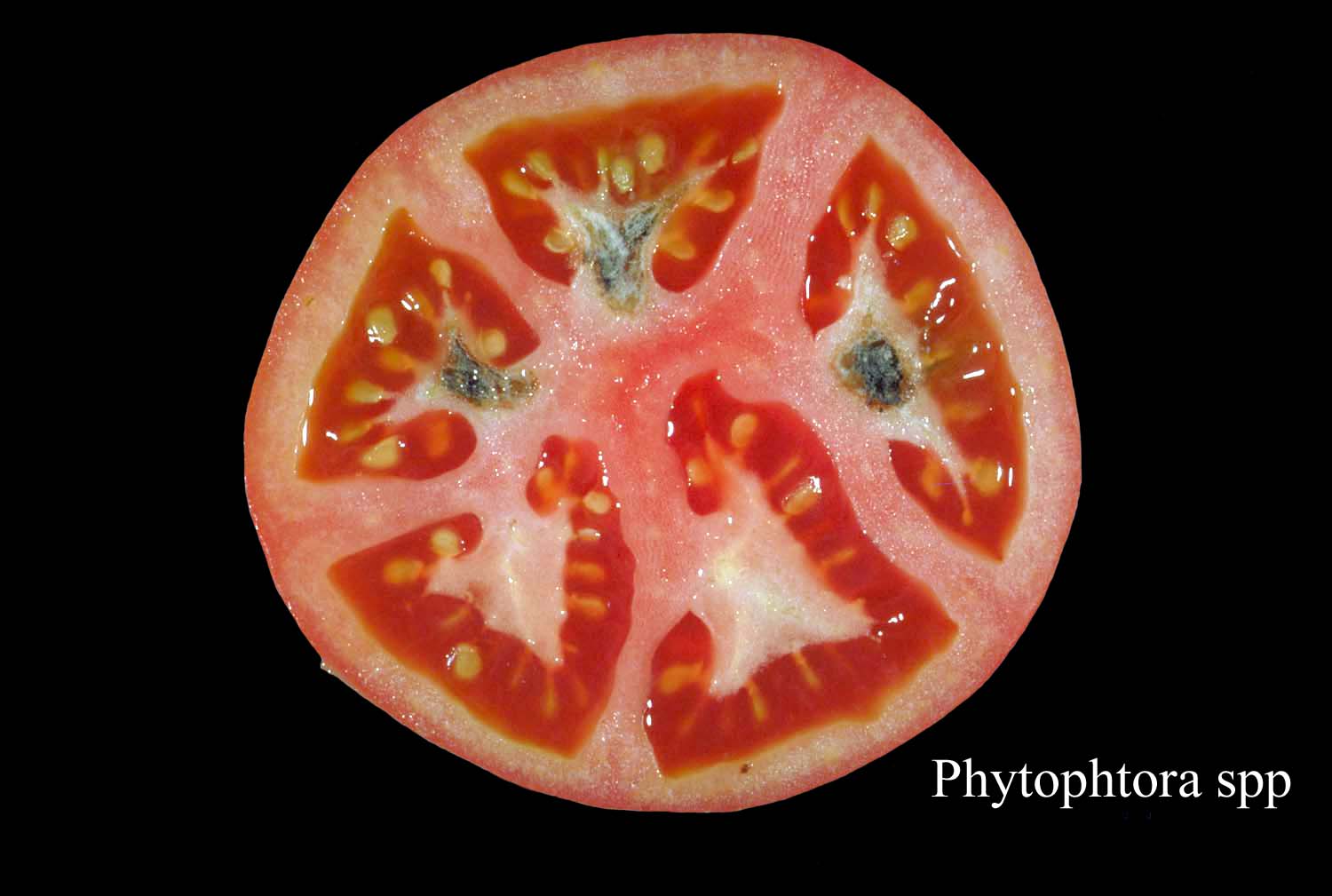
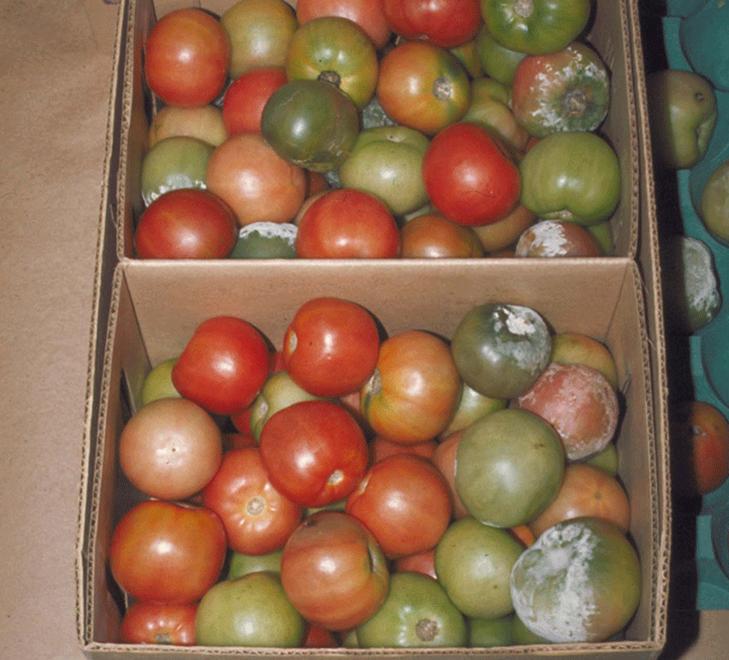
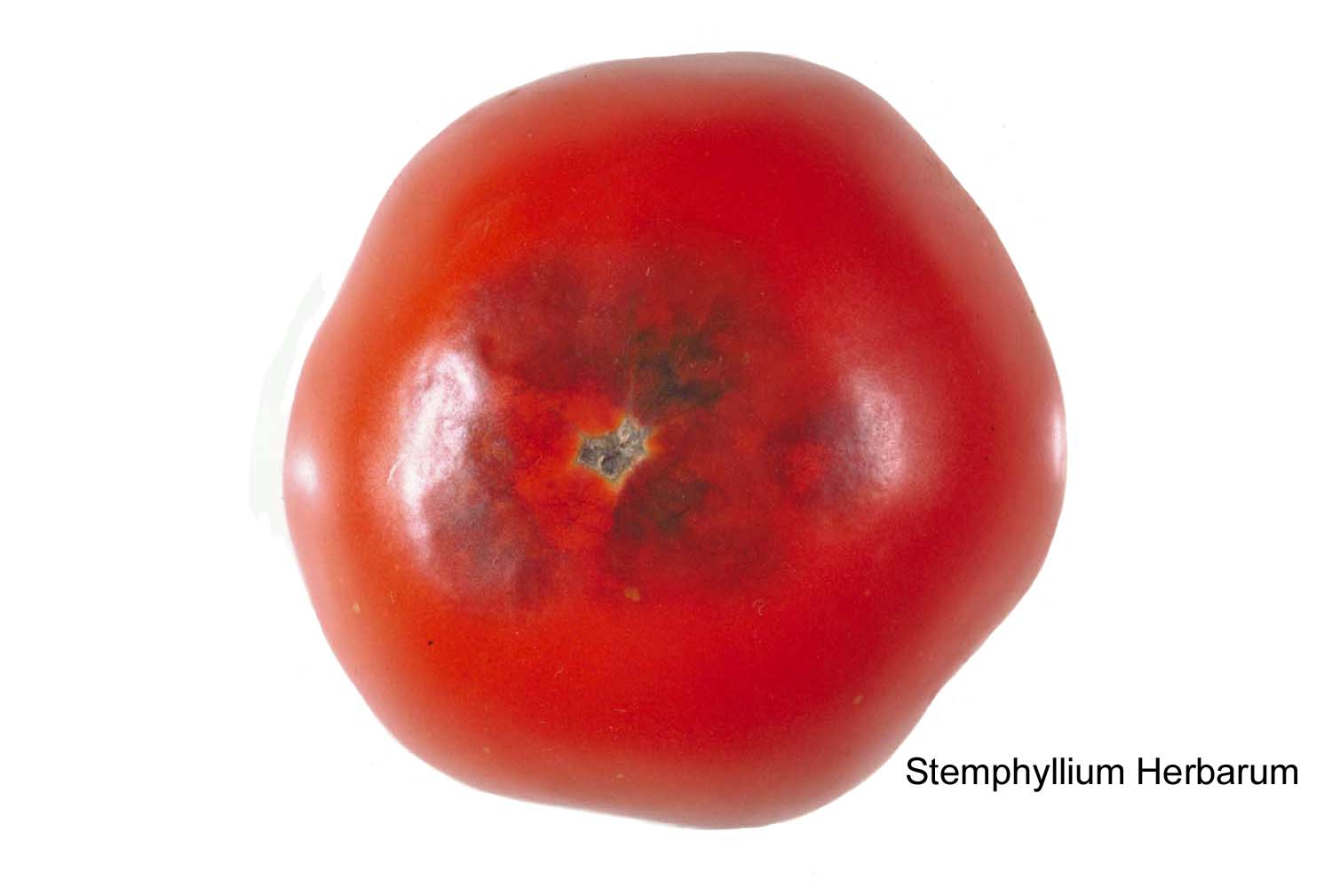
Diseases are an important source of postharvest loss depending on season, region and handling practices. Commonly, decay or surface lesions result from the fungal pathogens Alternaria (Black Mold Rot), Botrytis (Gray Mold Rot), Geotrichum (Sour Rot), and Rhizopus (Hairy Rot).
Bacterial Soft Rot. Caused by Erwinia spp. can be a serious problem particularly if proper harvest and packinghouse sanitation is not used. Treatment with hot air or hot water immersion (55°C for 0.5-1.0 min.) has been effective in preventing surface mold but has not been used extensively for commercial treatments. CA can be effective in delaying fungal growth on the stem-end and fruit surface. Greenhouse tomatoes marketed on-the-vine ("cluster tomatoes") are very susceptible to Botrytis Gray Mold, especially if film-wrapped in a tray.
References
References from scientifically validated sources will be added in the future.