





Product description
Maturity and Quality
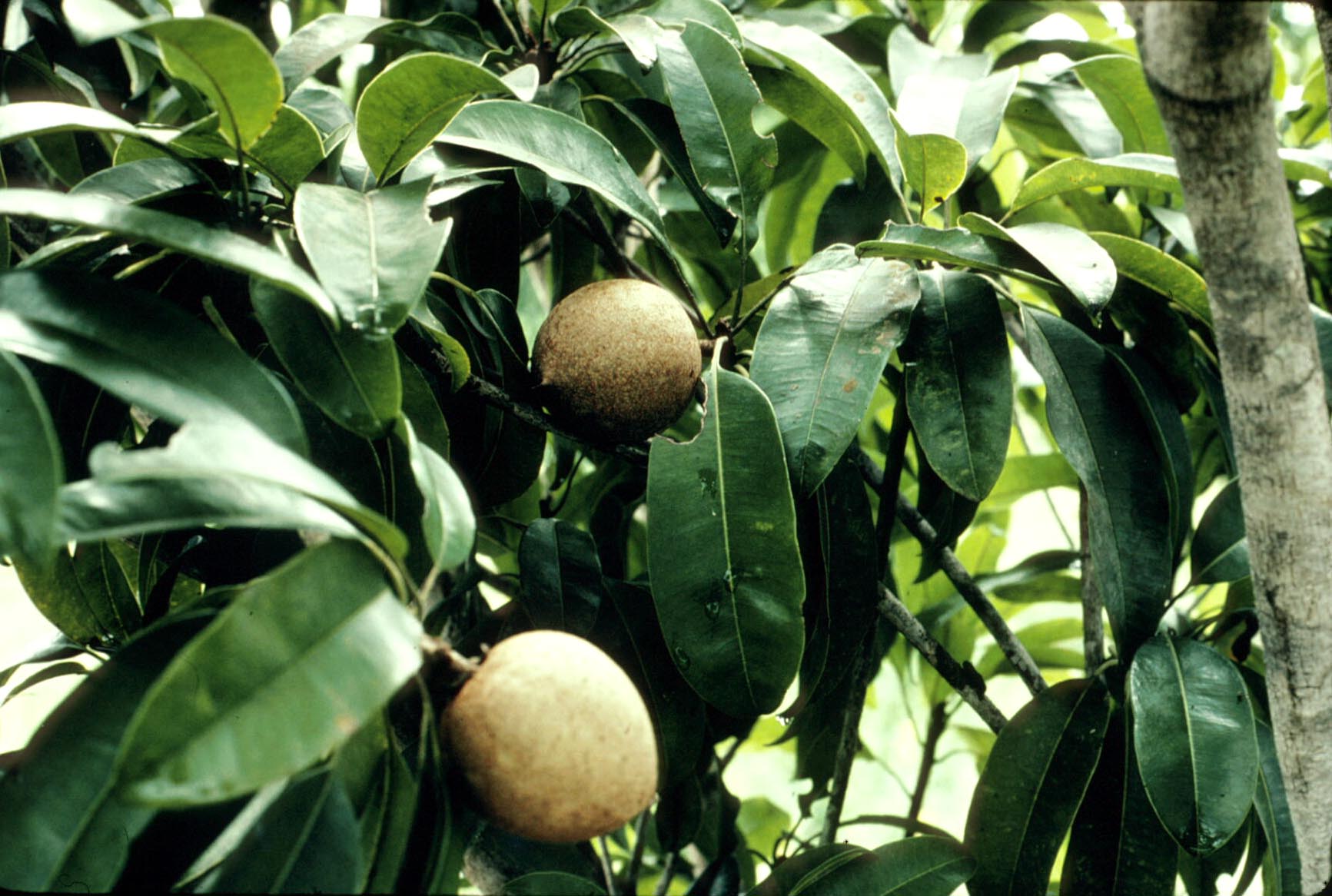
Skin color change from light-brown with a tinge of green to light-brown to dark-brown.
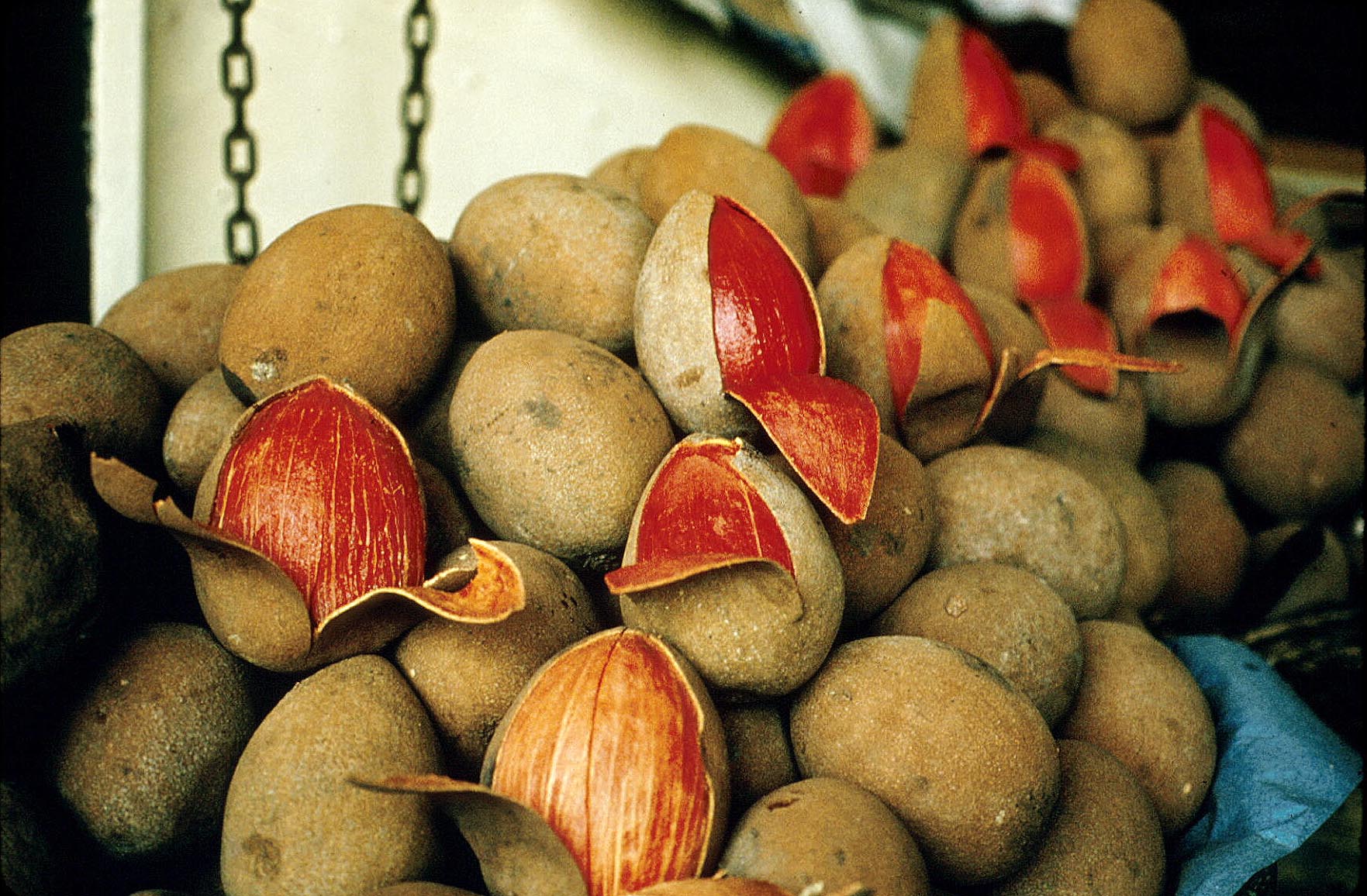
Flesh color change from green to pinkish brown to reddish brown in mamey sapote (can be examined through a small scratch on the surface).
- Appearance: size, shape, color, freedom from defects, and freedom from decay
- Firmness (firm-ripe sapotes are preferred)
- Flavor is related to soluble solids content (13-26%) and acidity (0.2-0.3%)
Postharvest Handling and Storage
14°C ± 1°C (58°F ± 2°F)
Storage potential is 2-4 weeks (depending on cultivar and and ripeness stage).
90-95%
Packaging in perforated plastic bags or box liners reduces water loss at lower relative humidities.
Climacteric respiratory pattern; peak range = 25-35ml CO2/kg·hr at 20°C (68°F).
To calculate heat production multiply ml CO2/kg·hr by 440 to get Btu/ton/day or by 122 to get kcal/metric ton/day.
Peak range at 20°C (68°F) = 2-4 µl/kg·hr
Exposure of mature sapodilla and mamey sapote fruits to 100 ppm ethylene for 24 hours at 20°C (68°F) hastens their ripening. Removal of ethylene from the storage environment delays deterioration.
Storage in 5-10% CO2-enriched atmospheres delays ripening. Higher CO2 concentrations may damage the appearance and taste of sapotes.
Physiological and Physical Disorders
Chilling Injury. Exposure to temperatures below 5°C (41°F) for more than 10 days causes chilling injury as indicated by dark-brown spots on the peel, failure to ripen, off-flavor development, and increased decay incidence after transfer to higher temperatures.
Pathological Disorders
Anthracnose. Anthracnose caused by Colletotrichum gloeosporioides can be a serious problem in humid production areas. Effective preharvest control strategies reduce postharvest lesion development.
References
References from scientifically validated sources will be added in the future.